Runway
Max Mara SS27 dresses for the far horizon
Ian Griffiths brings the language of travel and utility into a polished wardrobe, making usefulness part of the luxury proposition.
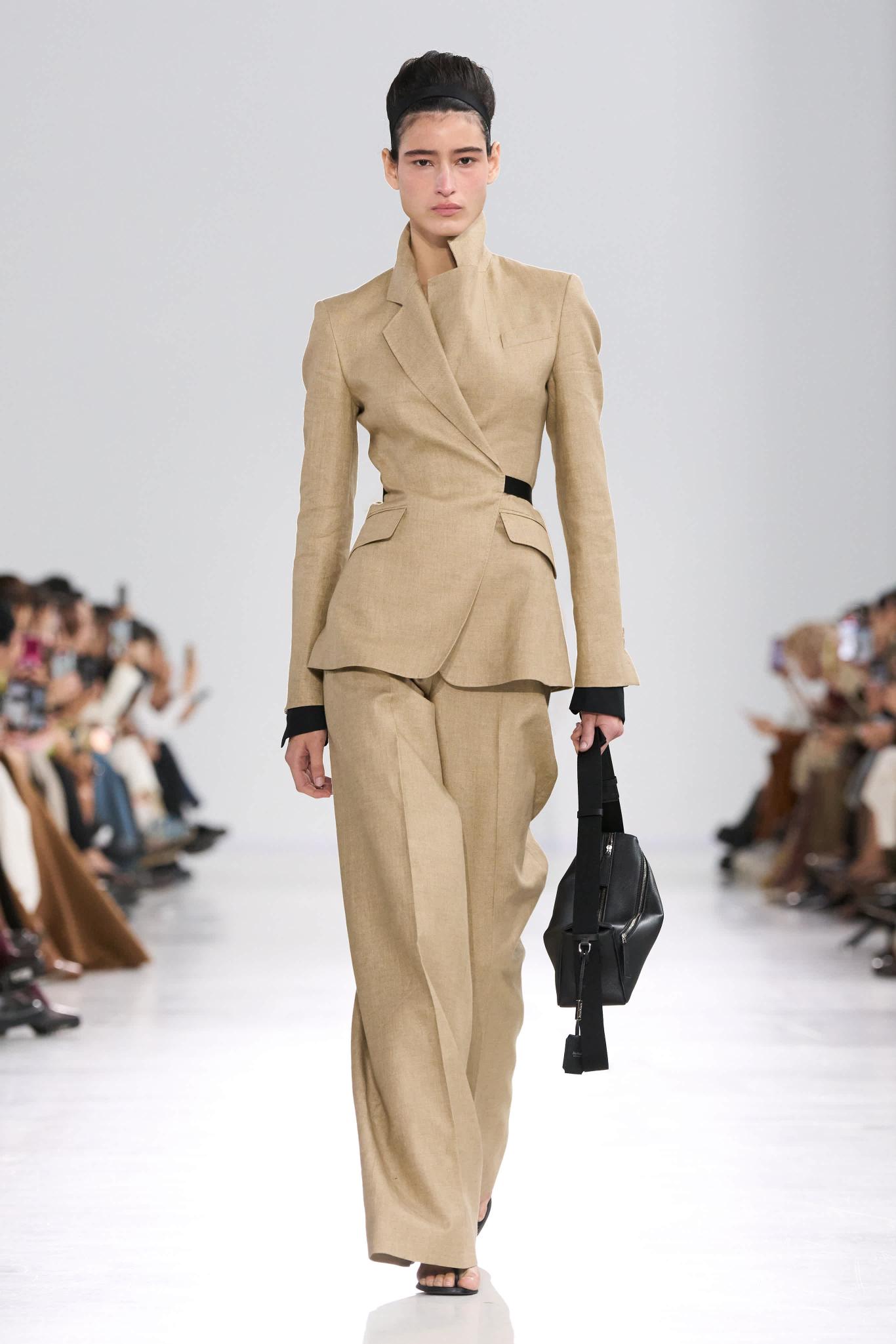
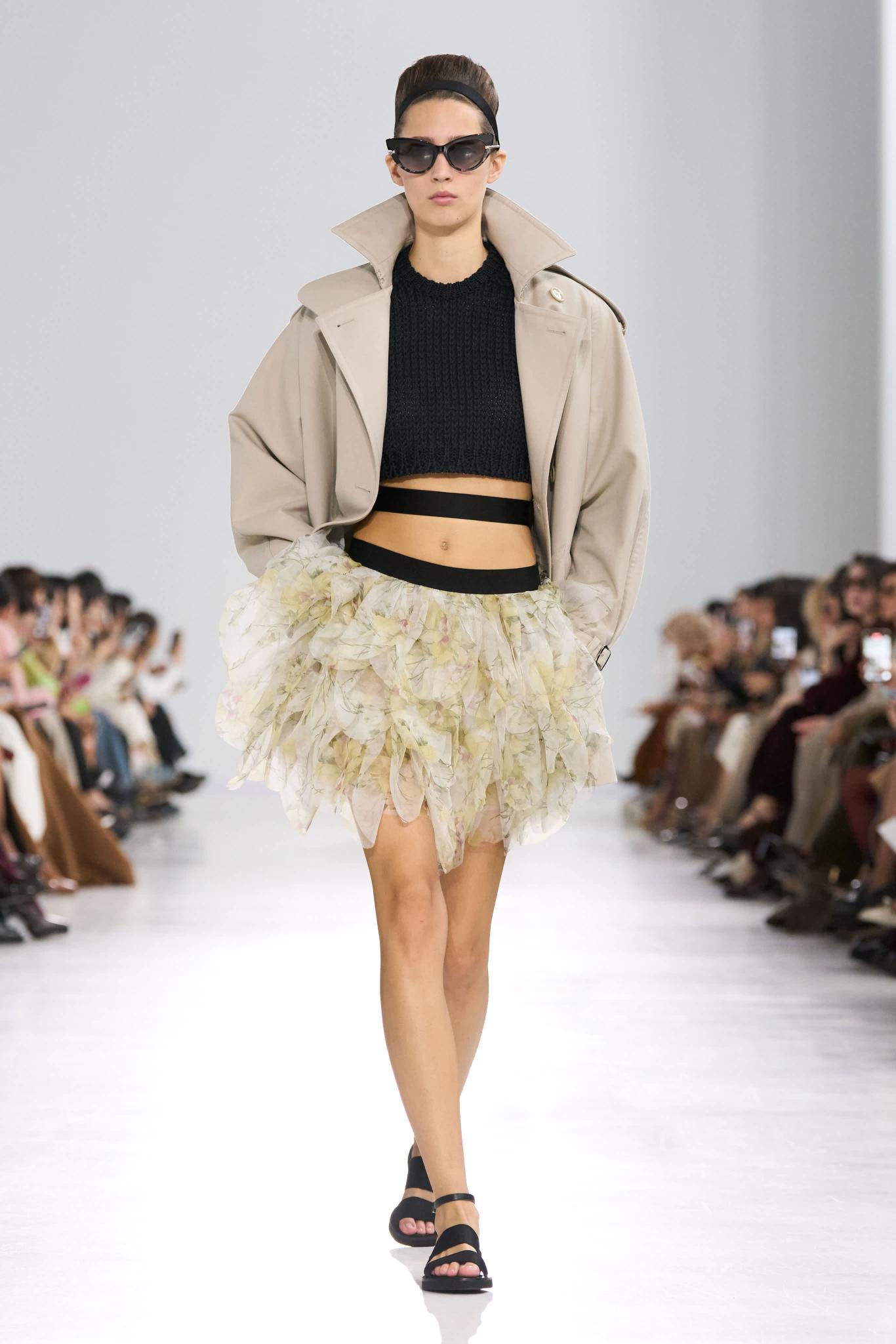
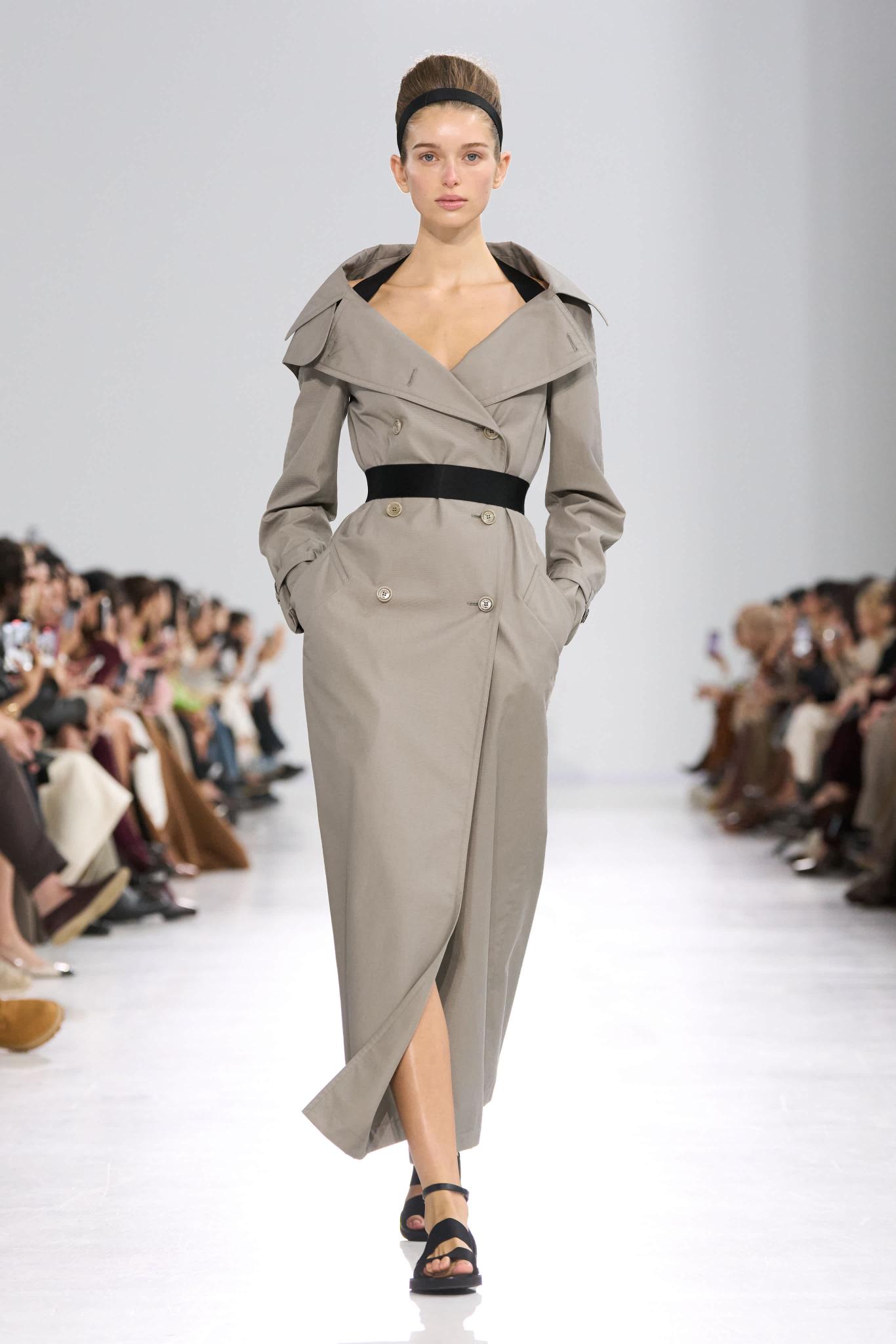
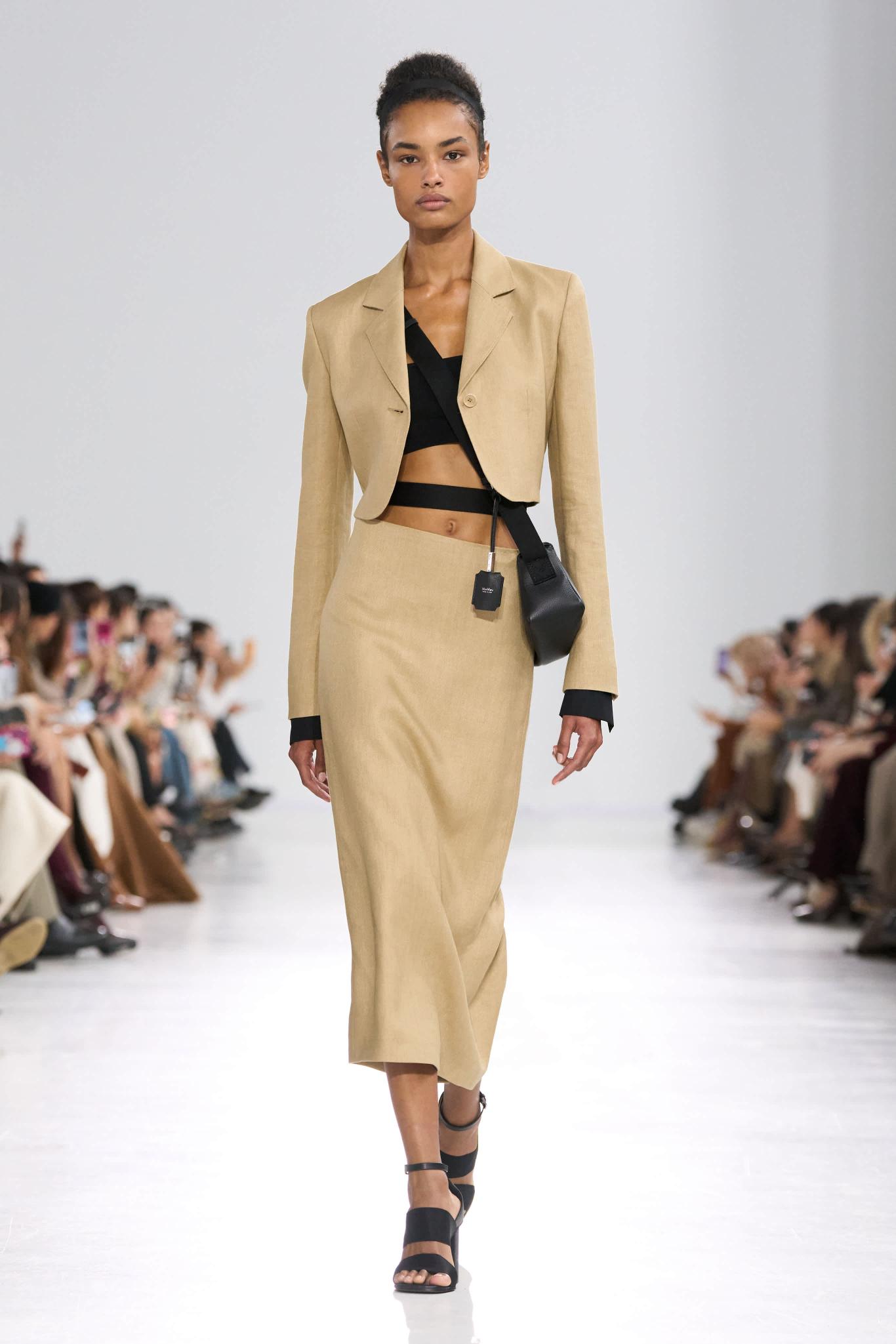
Max Mara’s Spring/Summer 2027 collection looked towards women associated with travel, independence and the adventures of the 1930s. Titled Far Horizon, the collection by Ian Griffiths connected that spirit of exploration with a contemporary wardrobe. At the Milan show on 24 September 2026, utility garments supplied the visual framework for an expansive wardrobe. The references were not presented as literal expedition equipment. They gave everyday clothing a sense of readiness and possibility.
For a Singapore fashion reader, travel is a useful lens through which to assess a collection. Clothes must often move between different indoor environments, climates and levels of formality. A garment’s appeal can depend on how many situations it accommodates without making the wearer feel underdressed or encumbered. Max Mara’s proposal brings those questions close to its image of luxury, where a familiar coat or practical pocket can be as important as an evening silhouette.
The utility wardrobe becomes expressive
Runway reporting identifies cargo and utility vests, safari jackets, trench coats and substantial belts. High-waisted skirts and trousers give those pieces a more composed framework. Organza appears in flight-inspired garments, creating a visible difference between the reference and its contemporary treatment. The vocabulary of function remains recognisable while its fabrication and proportions change.
That distinction prevents the collection from being read simply as clothing for an imagined expedition. A practical-looking detail can carry emotional meaning even when the garment is intended for city life. A pocket suggests preparedness. A belt makes adjustment visible. A protective silhouette can offer a sense of self-sufficiency. These associations are useful, but they should be judged alongside actual function. A pocket that looks convincing may not fit the object its owner needs to carry.
Adventure without costume
Historical travel imagery contains a strong visual allure. It can also tempt fashion towards a staged fantasy in which the wearer becomes a character from another time. The more interesting response is to separate the useful design principles from the costume. Readiness, adaptability and an unforced sense of authority can remain relevant without reproducing every historical accessory.
Our reading of Far Horizon favours that selective approach. A well-proportioned jacket can suggest adventure through its construction alone. A long line can give a utilitarian garment elegance. The wearer does not need to complete an entire narrative around the object. This is especially important when bringing a European collection to a Singapore wardrobe. The clothing should meet actual travel and city routines rather than demand that the person inhabit the collection’s inspiration every time they get dressed.
Luxury is also a question of use
Griffiths’s comments around the show connect Max Mara’s luxury proposition to clothing wanted in daily life. That is a meaningful starting point for critical assessment. It moves attention towards the relationship between a garment’s design and the situations in which it will be worn. The value of an object cannot be established solely by how desirable it appears on a runway.
Usefulness, however, requires more than a practical aesthetic. A versatile piece needs to work with other clothes, allow movement and suit the owner’s habits. It may need manageable care or a closure that can be handled easily. These qualities are not glamorous in isolation, yet together they shape a long relationship with an object. A collection that invokes utility invites the reader to apply a demanding standard: does the detail contribute to wearing, or does it merely describe the idea of usefulness?
The relationship between strength and softness
The collection’s travel frame makes its softer possibilities particularly interesting. A wardrobe can suggest competence without appearing armoured. Fluidity and lightness can coexist with a clear outline. The best interpretation of the utility proposition leaves room for pleasure, allowing the wearer to look composed while feeling that the clothing responds to them.
Proportion is central to that balance. A fuller lower half can give a compact jacket space to breathe. A defined waist can organise a more relaxed silhouette. When every part of the outfit is equally substantial, the result may become visually heavy. Choosing where to introduce softness is therefore as important as choosing where to introduce structure. The runway offers a set of relationships to examine, and the wearer can adjust those relationships to their body and preferred rhythm of movement.
A Singapore travel edit
Our editorial adaptation would begin with a small, flexible set of pieces rather than a complete runway look. A lighter utility-inspired jacket could move over a simple dress or separates. A well-cut trouser can connect more casual and polished combinations. One belt may give a relaxed outfit definition without introducing another layer. Neutral foundations make room for the occasional stronger colour or texture.
Those suggestions depend on the individual garment. A safari-inspired shape is not automatically suitable for tropical heat, and a light-looking fabric may have a substantial lining. Travellers should consider how a piece behaves after sitting, whether its pockets distort when filled and how it works with practical footwear. The collection’s adventure narrative is best used to prompt those questions. Its styling can inspire, while the owner’s actual itinerary and conditions should determine what goes into the bag.
Travel dressing is especially revealing because it tests clothes against time. An outfit may look persuasive at departure and feel quite different after hours of sitting, carrying bags and changing environments. A useful design has to account for those ordinary pressures. The same judgment can apply even when a garment never leaves the city. Does it retain its shape comfortably? Can it be layered without awkward bunching? Is its apparent flexibility available in practice? These questions keep the adventure reference grounded. The collection’s visual confidence can be enjoyed without mistaking it for specialist performance equipment. A person can take its sense of readiness into a wardrobe by selecting clothes that accommodate their actual movements, making the relationship between the design story and daily use specific rather than relying on the appealing promise of an open horizon.
A wardrobe ready to accompany a life
There is an attractive humility in judging clothing by what it can accompany. It shifts emphasis from being seen in the correct seasonal object towards finding an object that remains useful across many ordinary and extraordinary situations. This does not remove aesthetics from the decision. It places beauty in a wider relationship with fit, movement, repeat wearing and the confidence that a garment will continue to serve its owner.
Max Mara SS27 makes that relationship the most interesting part of its proposition. The historical references supply atmosphere, while utility offers a practical language for bringing that atmosphere into the present. For StraitsG readers, Far Horizon is most persuasive when understood as an invitation to dress with readiness and curiosity. The destination can change; the wardrobe should be capable of travelling with the person, rather than obliging the person to organise life around the wardrobe.
Gallery
4 images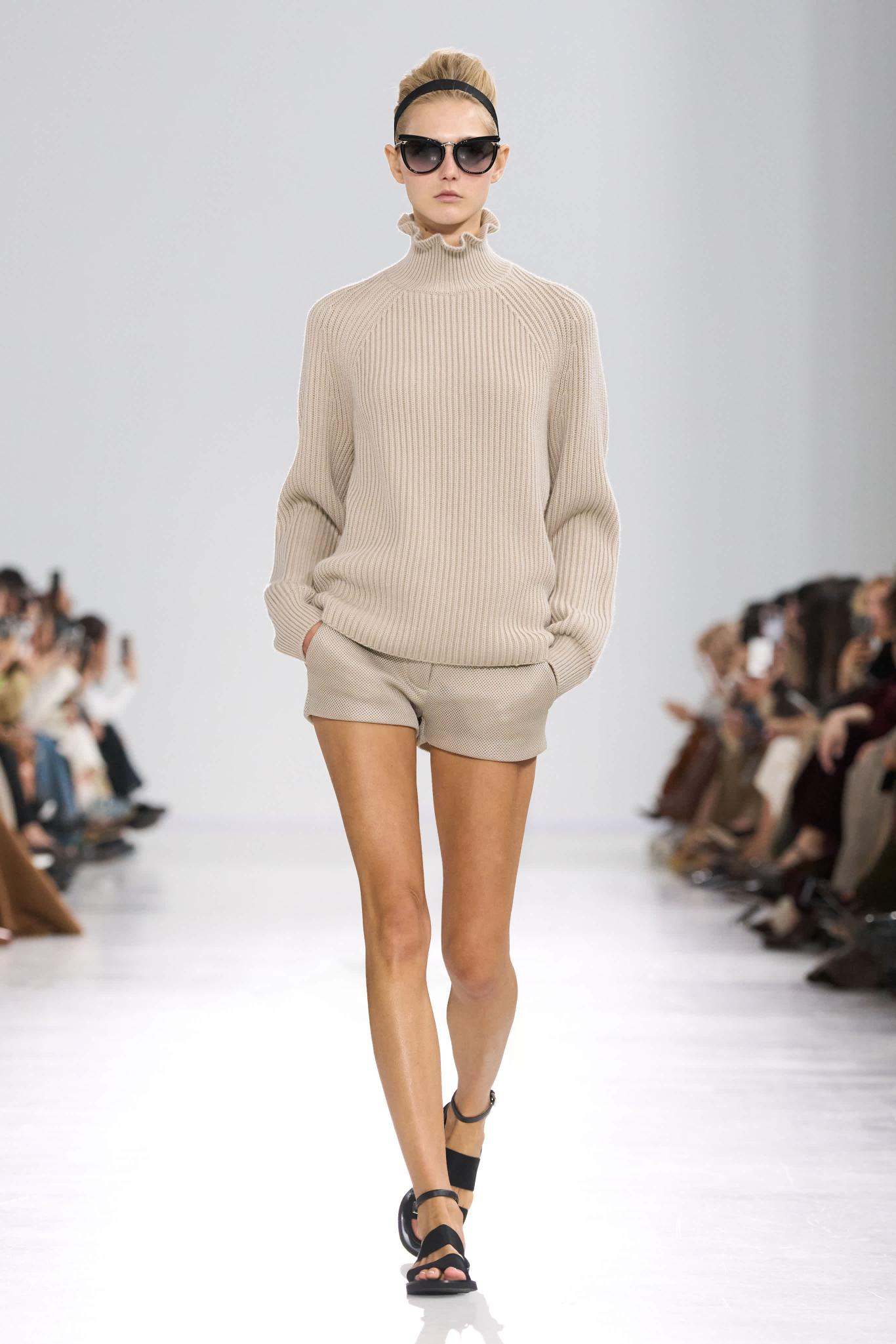
About the author
Nicole Cohen
Fashion editor and writer covering design, image-making and the creative networks connecting Southeast Asia.