Runway
Givenchy SS27 builds confidence through cut and movement
Sarah Burton combines exact tailoring, sensual leather and suspended evening shapes in a wardrobe that allows several ways of being a woman.
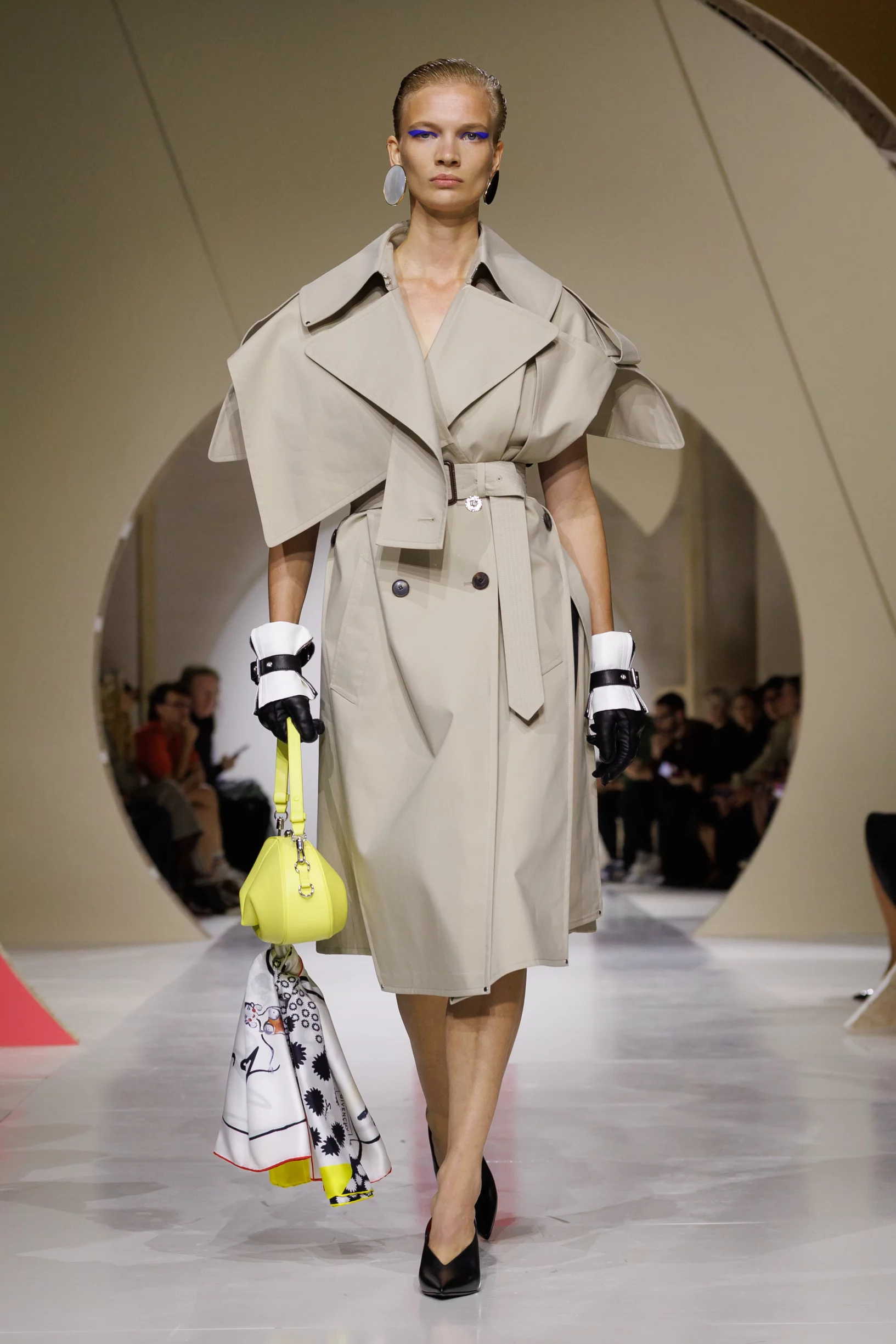
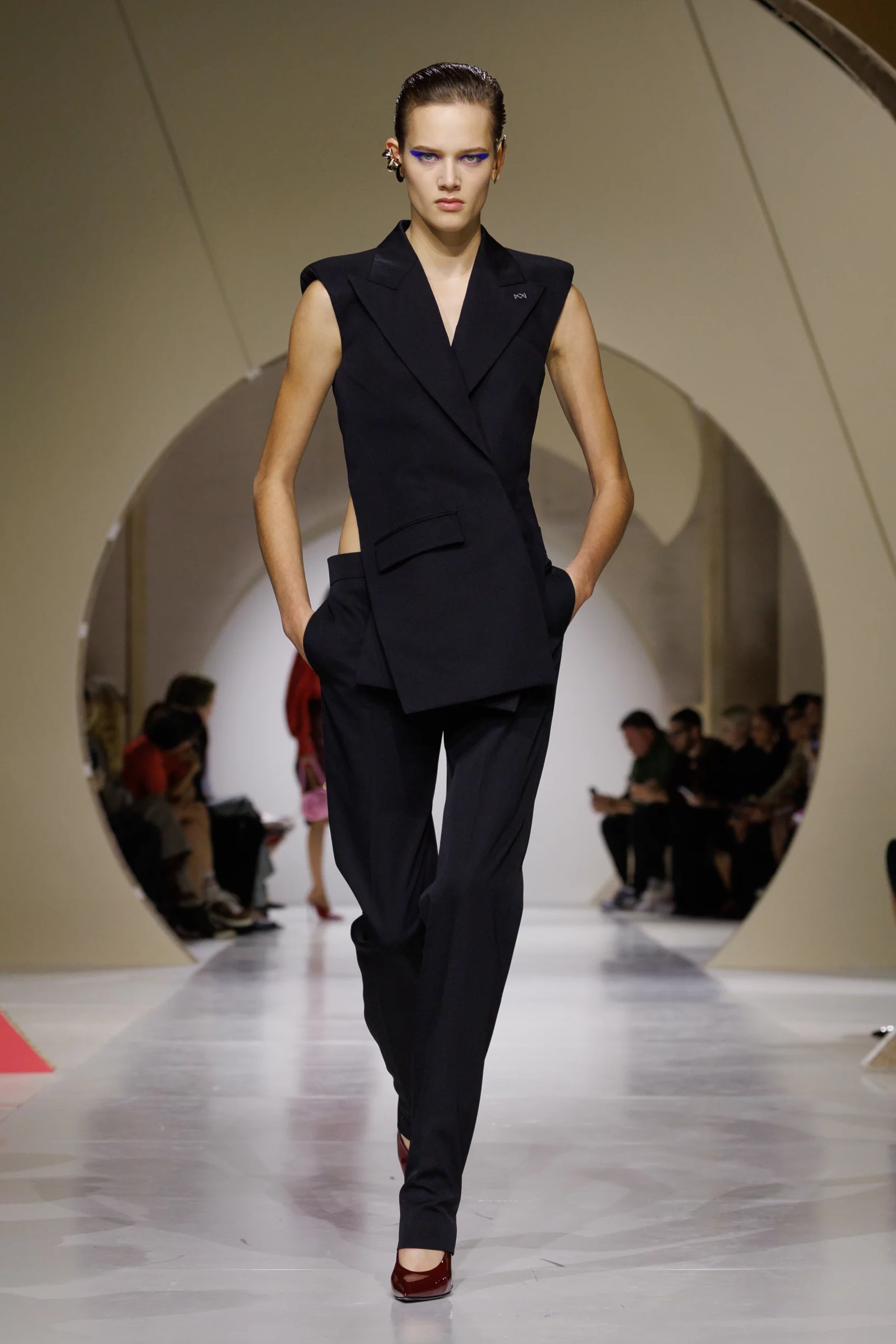
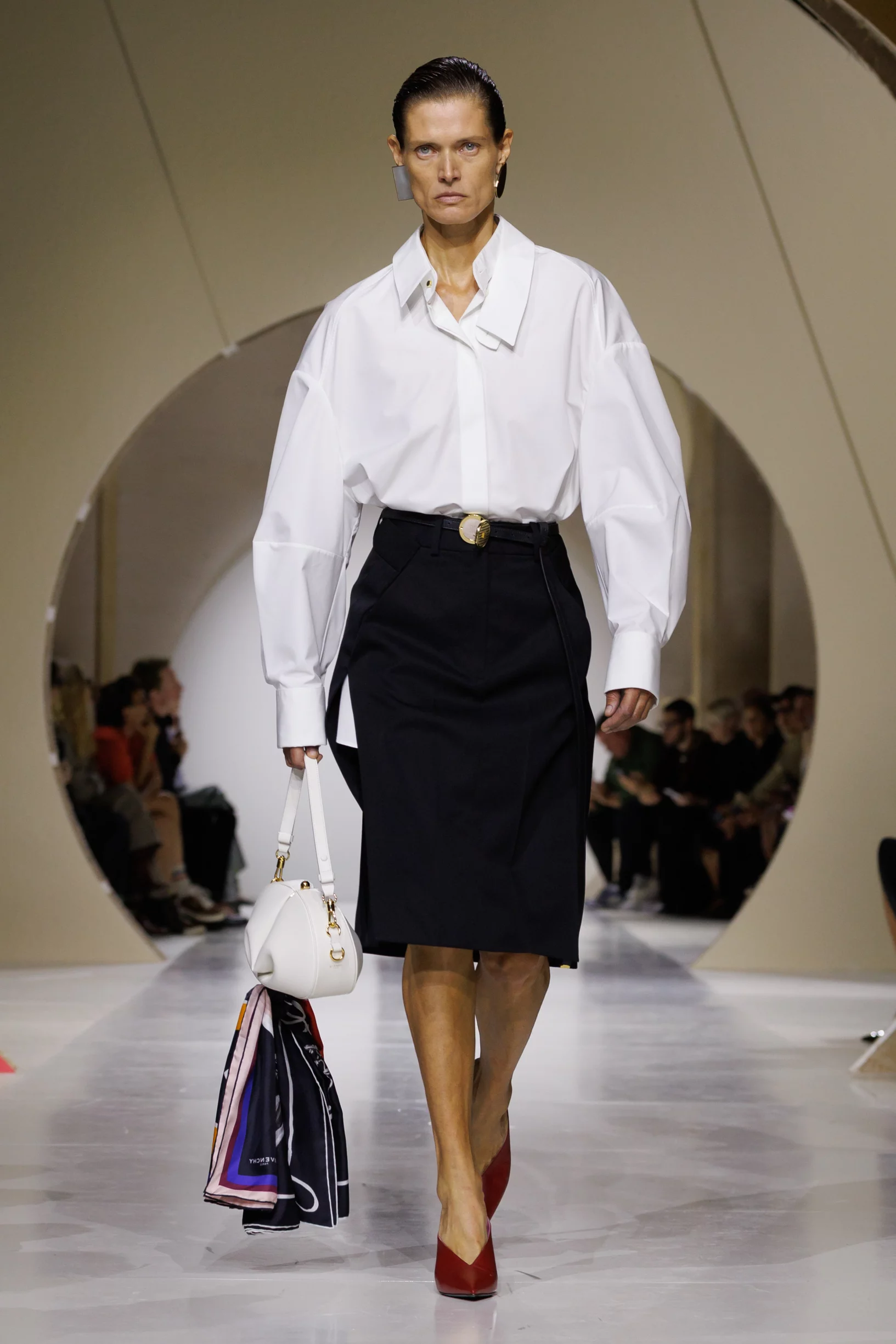
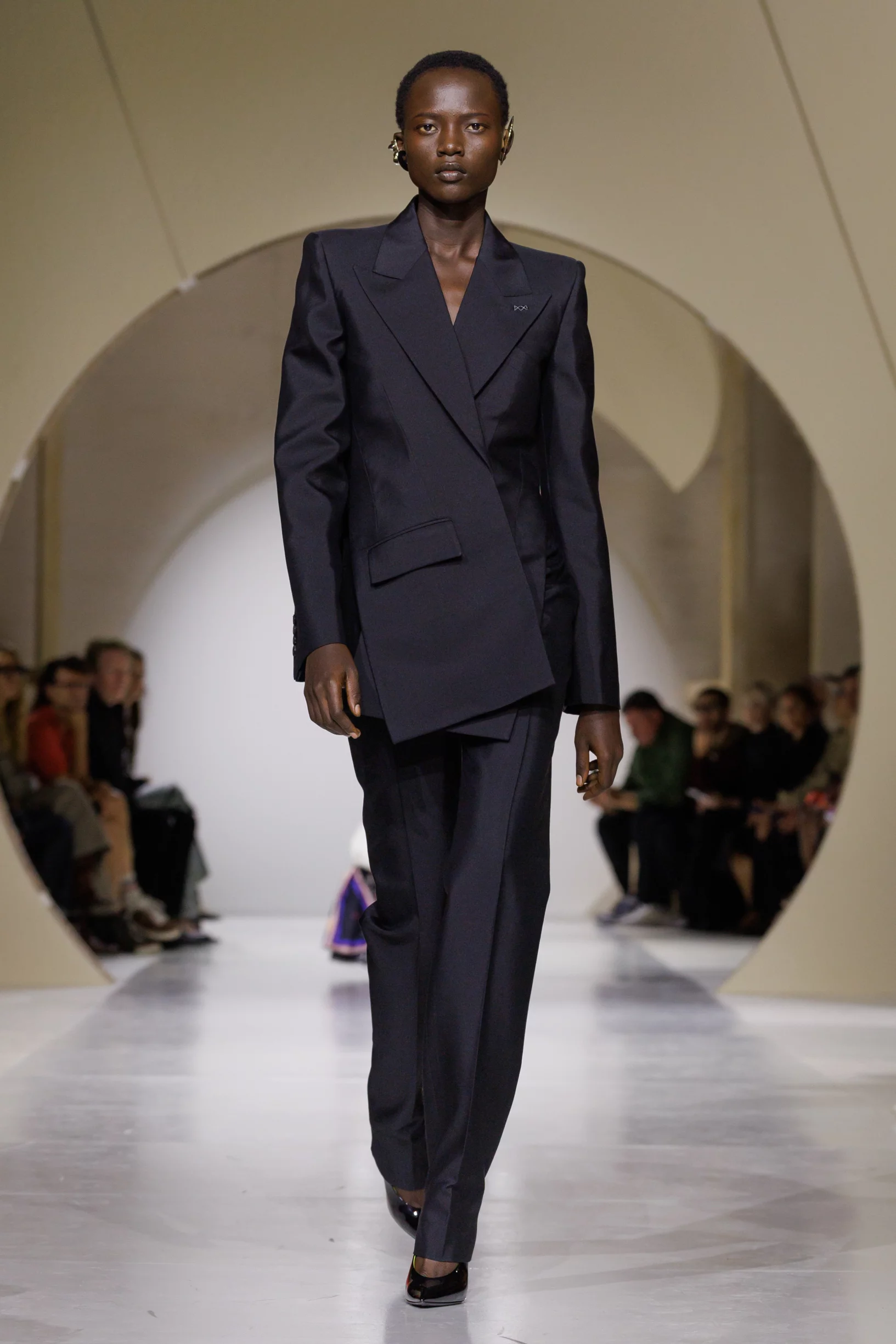
Givenchy’s Spring/Summer 2027 collection made precision the basis for variety. At the 3 October 2026 Paris show, Sarah Burton moved between leather, tailoring, architectural shirting and more fluid evening designs. The clothes were connected by cut rather than forced into a single personality. Contemporary reporting also records a collaborative approach to fittings, with models contributing to how they felt about the looks they wore. That gives the collection’s discussion of confidence a concrete relationship with the person inside the garment.
For StraitsG’s Singapore readership, the subject has immediate relevance. A working wardrobe needs to accommodate different responsibilities and occasions without making its owner feel divided into unrelated characters. Burton’s proposition suggests that a clear design language can support those changes. The same person can choose sharpness, softness or sensuality at different moments, with a sense of continuity supplied by how the clothes are made and how comfortably they can be inhabited.
Precision has an emotional consequence
Exact cutting is often discussed as a technical virtue, but its effect is also psychological. A garment that settles convincingly on the body can reduce the need for constant adjustment. A clear outline can make an outfit feel decisive. Conversely, a piece that looks controlled but restricts ordinary movement can undermine the confidence it appears to promise.
Our reading of Burton’s collection centres on that relationship. Precision becomes meaningful when it serves the wearer’s experience rather than only the front-view image. The reported attention to models’ responses is important because it treats wearing as a source of information. A fitting can test the design’s emotional assumptions: whether it feels strong, exposed, comfortable or unlike the person asked to wear it. Those reactions can refine the clothing’s final character.
Several registers share one wardrobe
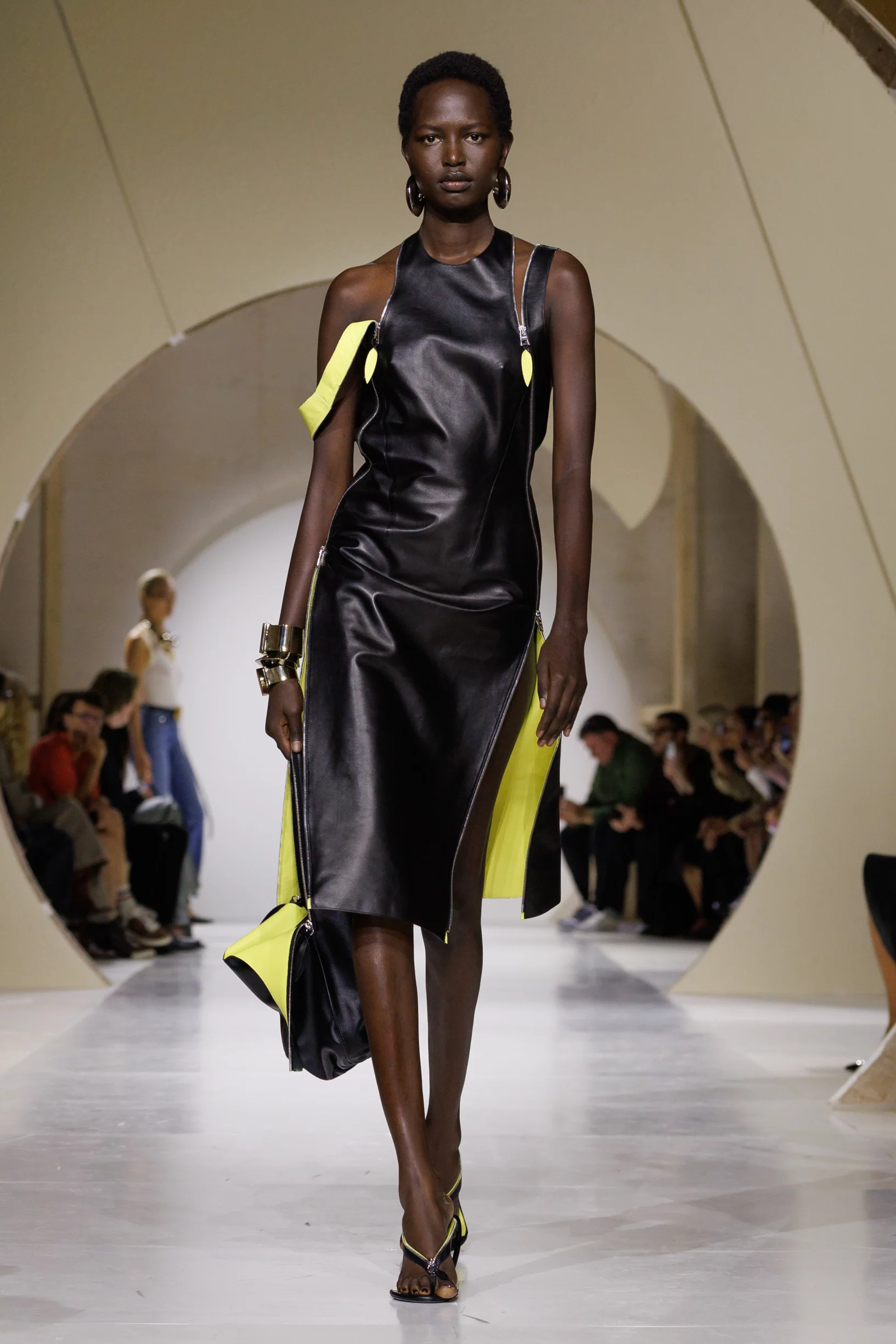
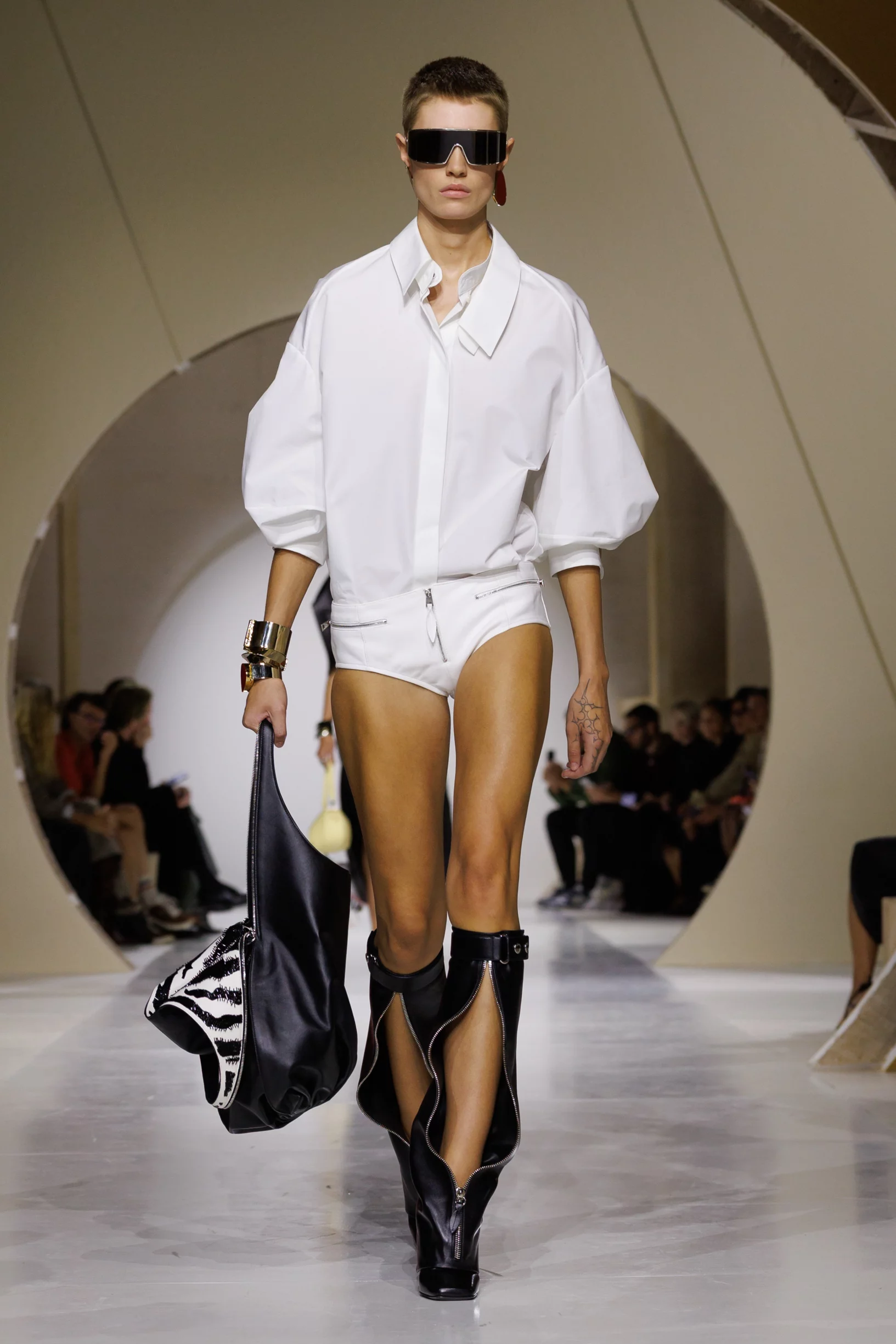
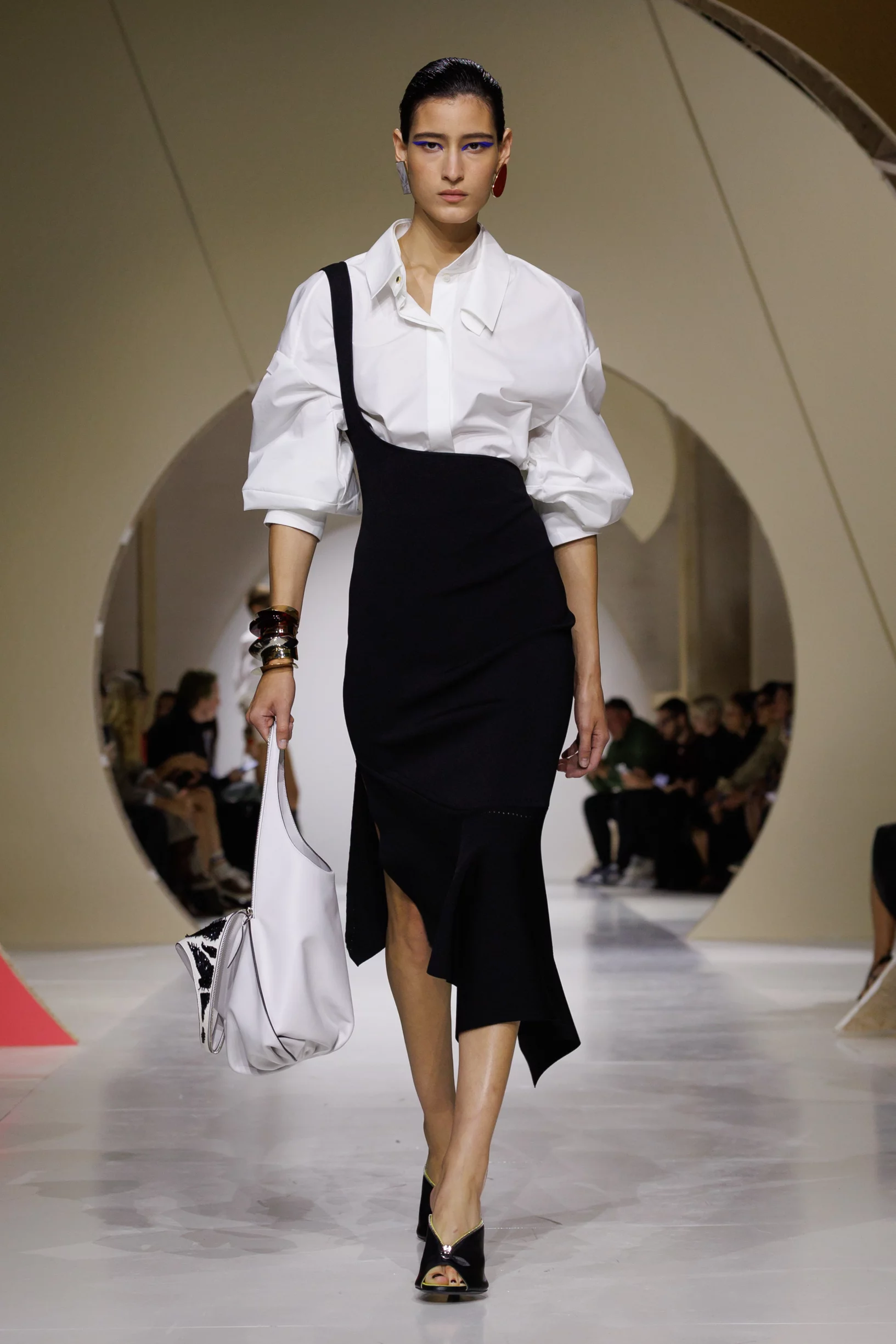
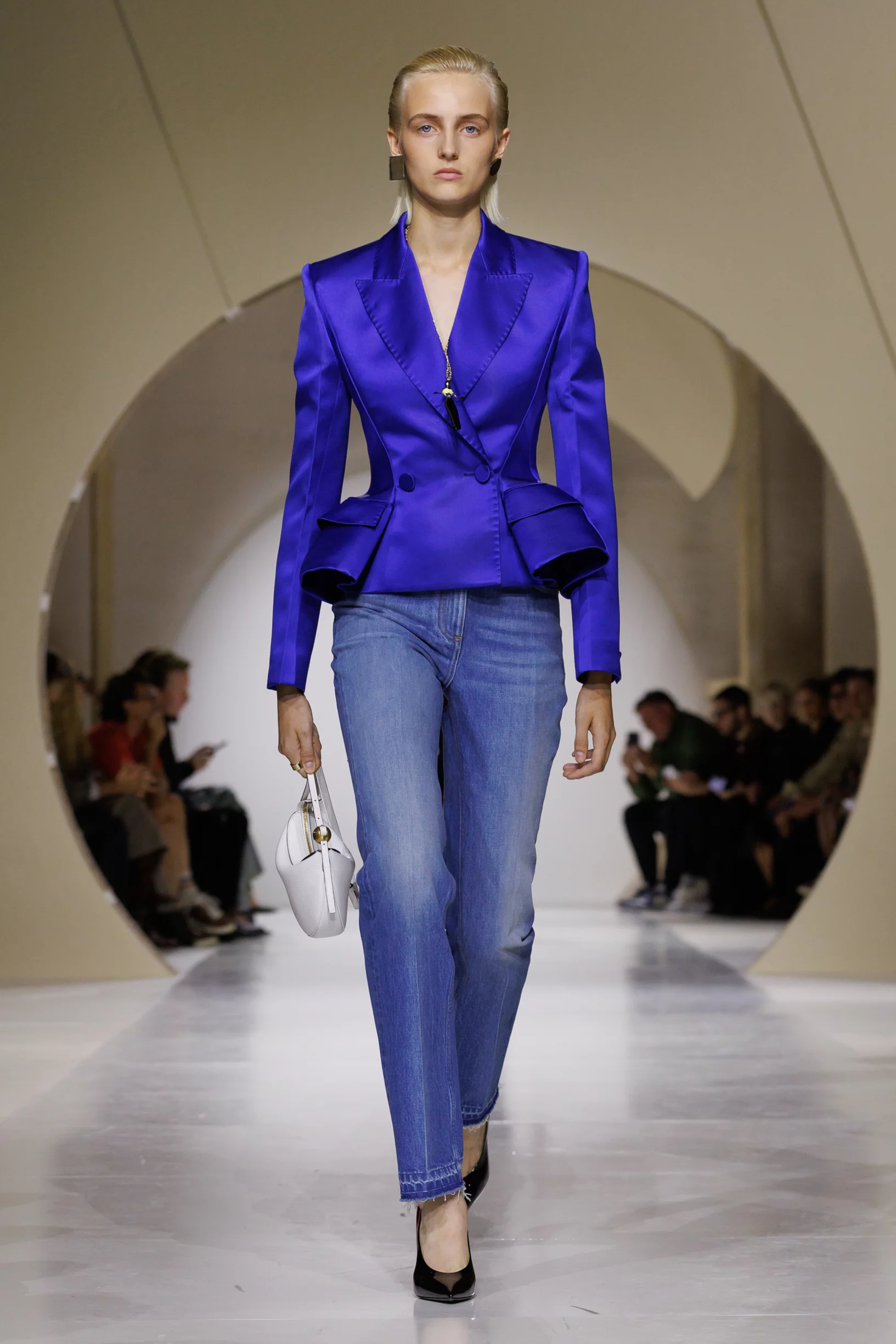
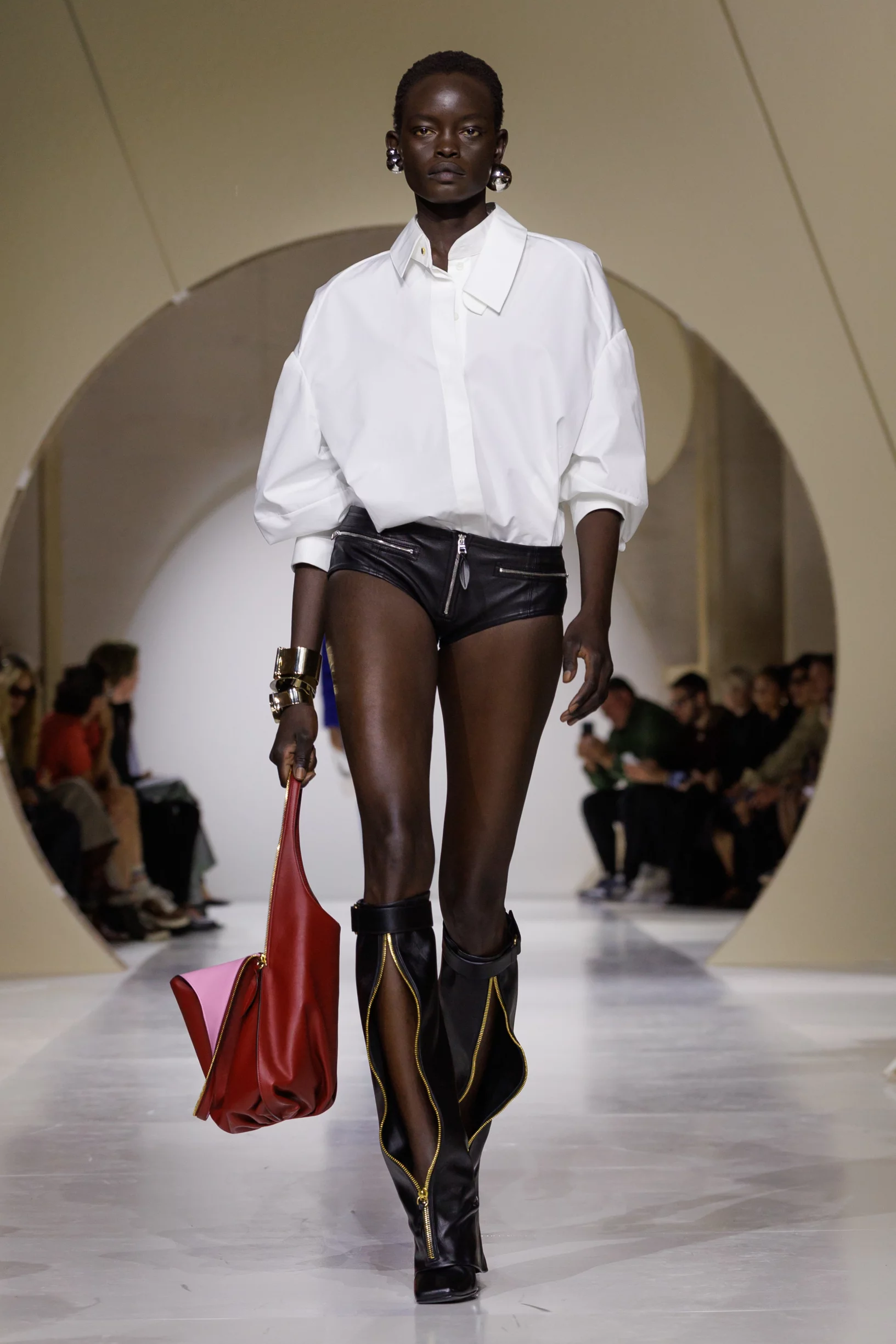
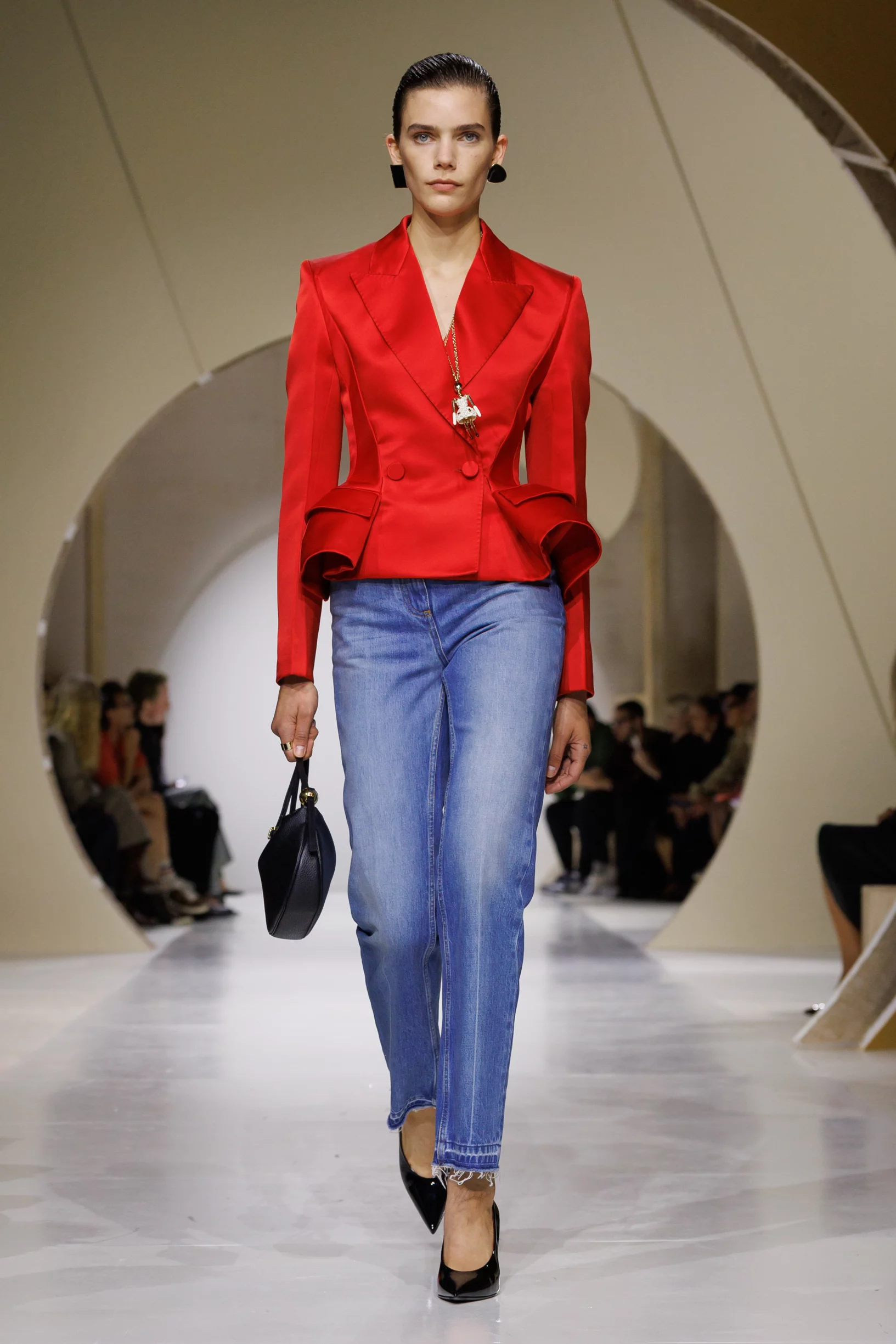
The runway opened with a black leather dress whose curved zips revealed yellow beneath. Reviews also identify tailored suits, clean shirts, jeans and more experimental constructions. These details establish a range of visual registers without requiring a new aesthetic premise for each one. The collection can hold a strong statement piece beside clothing that appears closer to daily use.
That coexistence is useful. A wardrobe becomes more flexible when its most expressive objects have quieter neighbours. The simpler pieces are not merely commercial interruptions in a design narrative. They provide the context in which an unusual garment can be worn repeatedly and differently. A controlled shirt may let an experimental lower half become legible. A familiar trouser can give a dramatic top enough stability to feel like an outfit rather than an isolated fashion object.
The surface supports the silhouette
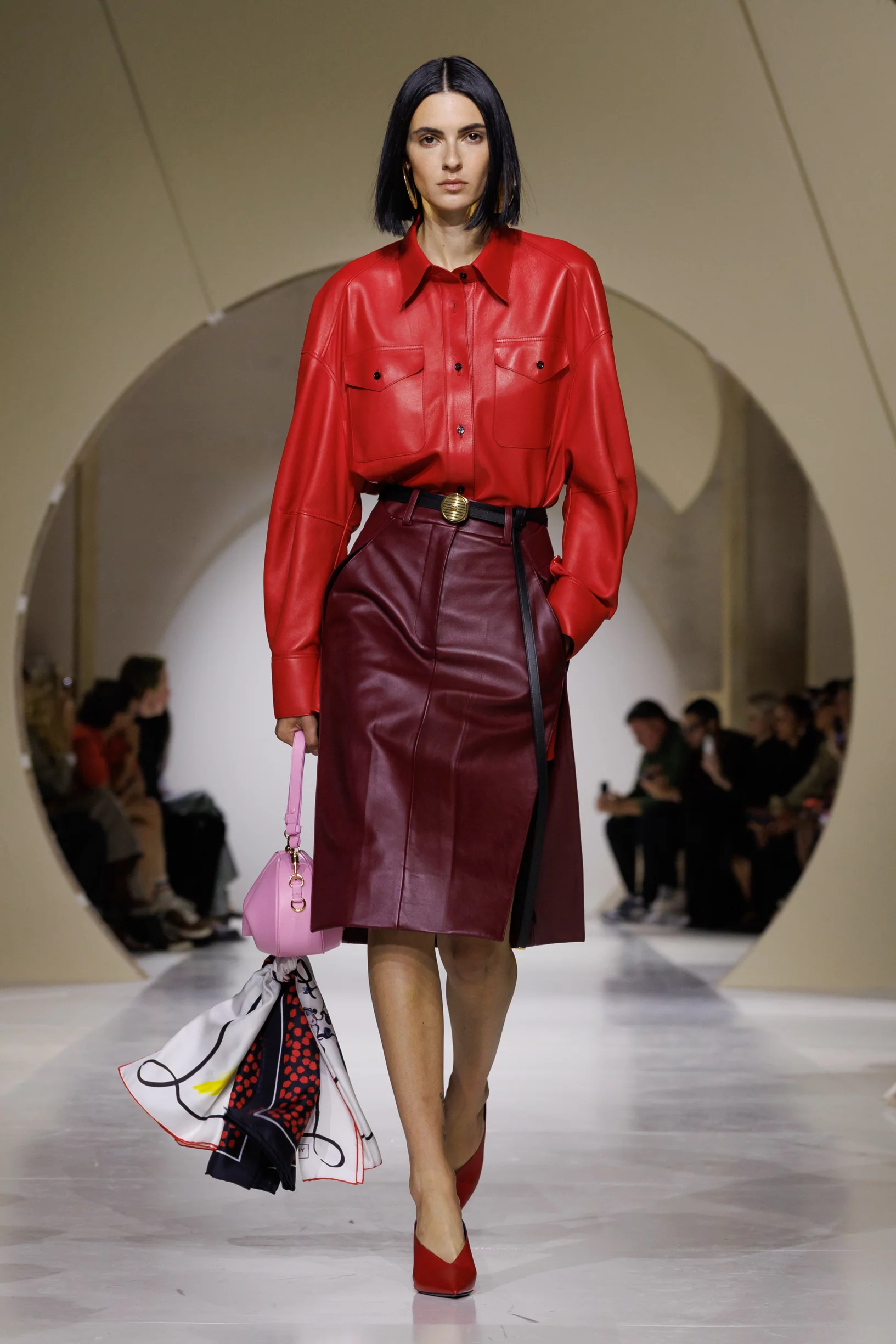
Leather supplies a particular tension between the body’s outline and the garment’s authority. It can make a shape appear decisive even when the design introduces openings or movement. In this collection, reporting identifies leather alongside jewel-toned silks and satins, giving the wardrobe different degrees of visual intensity.
The critical question is how those materials support the cut. A surface can reinforce an outline, but it can also compete with it. Strong colour and sheen may make a controlled shape more expressive. They may become distracting when the construction already contains several unusual gestures. The viewer should look for the hierarchy inside each outfit: what establishes the form, what introduces the emotion, and what allows the eye to rest? That hierarchy can make an ambitious garment feel coherent.
Sculpture enters the evening
Burton’s evening experiments included dresses suspended from wing-like brass-wire forms, with Alexander Calder’s circus work identified as a reference. The idea introduces another relationship between structure and fluidity. A supporting element can appear to hold a softer material in space rather than simply follow the body’s contour.
This is a compelling design proposition because it makes the invisible work of support more perceptible. Many garments rely on internal devices to create their apparent ease. When support becomes part of the image, the relationship between body, fabric and structure can be understood differently. The risk is that a sculptural device becomes more important than the person wearing it. The successful balance lets the body’s motion activate the design rather than reducing the wearer to a stand for an artful construction.
A Singapore interpretation of the wardrobe
Our local styling edit would begin with cut. A precise shirt or trouser can create a useful foundation for more expressive choices. Introduce one element with a stronger surface, colour or construction, then allow the rest of the outfit to establish clarity. A complex garment does not always need equally complex accessories. Its strongest effect may depend on the surrounding pieces remaining calm.
For Singapore daily life, the material decisions require individual assessment. Leather’s visual strength does not establish comfort in heat. A fine evening fabric may need careful handling. Tailoring can feel easy or restrictive depending on lining, weight and the amount of movement it permits. The fitting room should include sitting and reaching, rather than only a standing mirror view. These checks translate the collection’s attention to the wearer into a practical method for choosing clothes.
A coherent wardrobe also needs different levels of attention. Some days call for an outfit that resolves itself quickly; others allow a more expressive decision. A collection that contains both can be useful without assigning its simpler clothes a lower status. The precise everyday piece may be the object that makes the more unusual one wearable. Their relationship is part of the design proposition. For the owner, the question is whether the garments support one another across repeated combinations, rather than whether each delivers the maximum possible impact alone. Burton’s emphasis on cut offers a possible foundation for that relationship. A recognisable precision can connect different moods, allowing the wearer to move between them while keeping an individual rhythm. The collection becomes a wardrobe where the person controls the intensity instead of feeling obliged to maintain it at all times.
Confidence is not a single silhouette
Fashion often presents strength as a recognisable visual shorthand: a large shoulder, a hard surface or a severe colour. Those signals can be effective, but they do not describe every person’s experience of confidence. A soft garment can make someone feel more self-possessed than an armoured one. A familiar piece can offer greater freedom than a dramatic statement. The useful wardrobe leaves room for those differences.
Givenchy SS27 gives that idea a disciplined frame. Burton uses precise construction to connect a range of moods, while the reported involvement of the models reminds the reader that clothing is tested through people. For StraitsG, the collection’s relevance lies in a broad but coherent image of dressing. Authority, pleasure and movement can coexist when cut makes the outfit feel intentional and the wearer remains free to decide which part of their personality should be most visible that day.
Gallery
11 images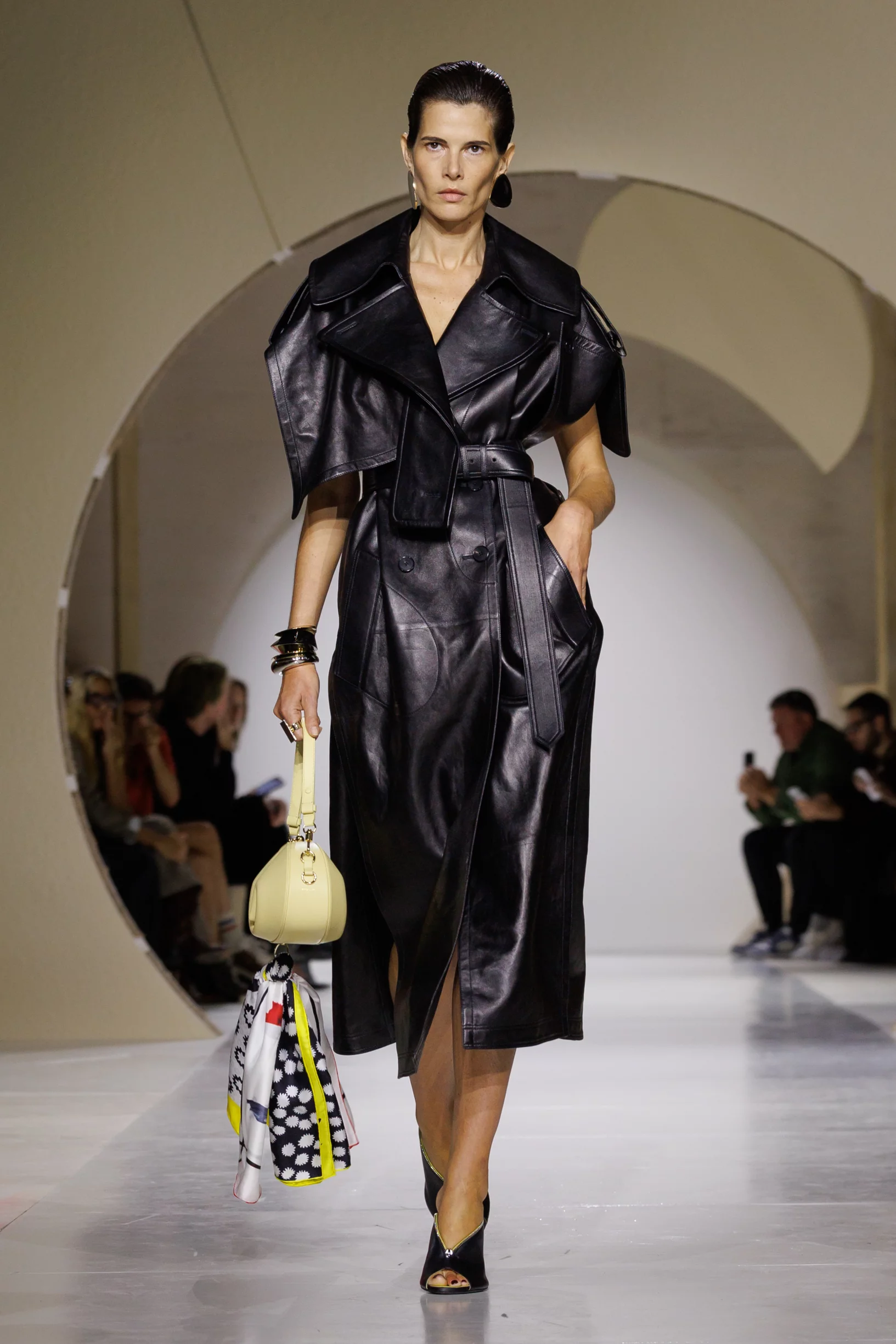
About the author
Nicole Cohen
Fashion editor and writer covering design, image-making and the creative networks connecting Southeast Asia.