Fashion / Trends · Shopping · Style · News
Southeast Asia's Fashion Weeks Are Finally Talking to Each Other
From Jakarta's ASEAN Fashion Parade to the AFDS showcase at JF3, the region's designers are choosing collaboration over solo bids for global attention.
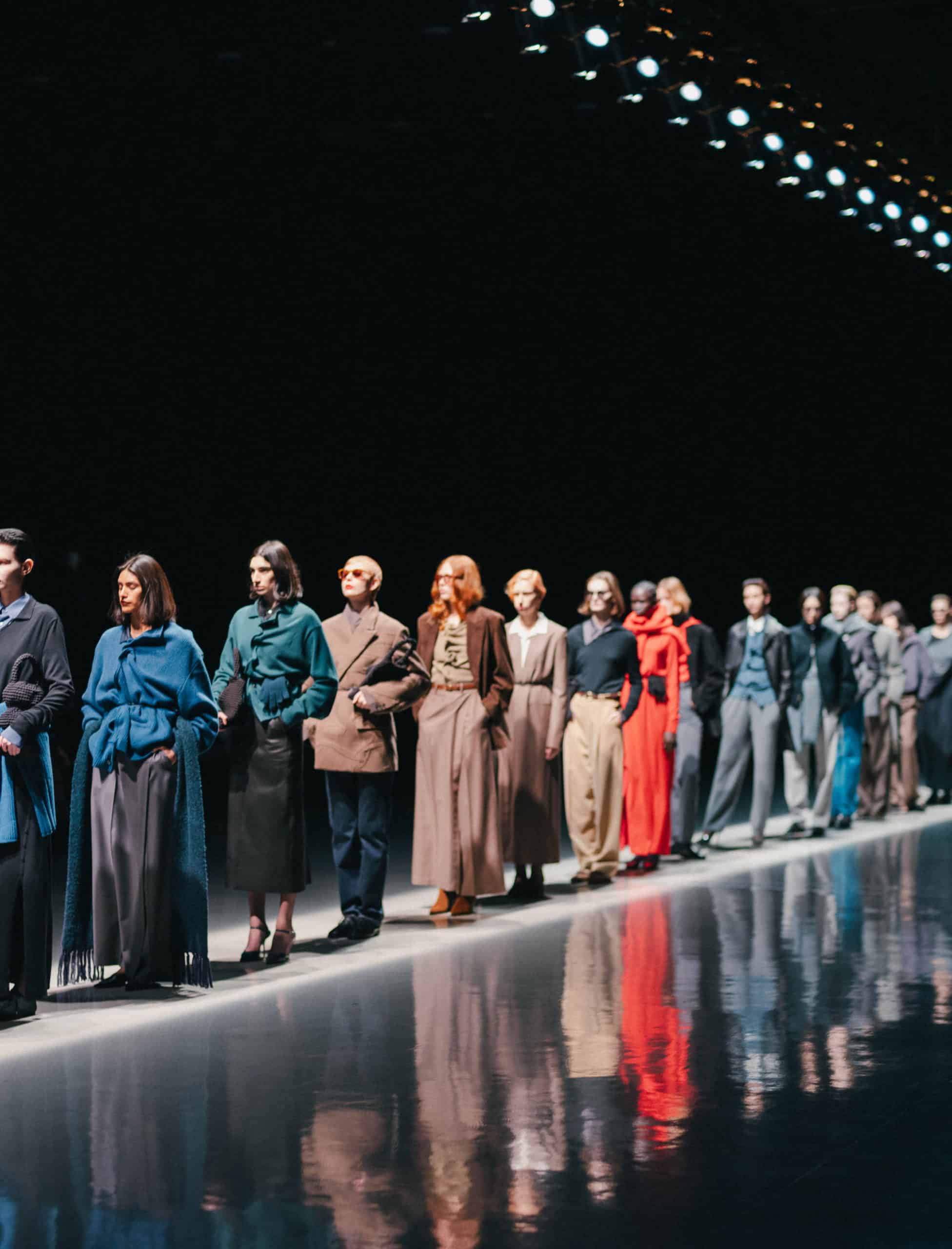
For years, the default ambition for a promising Southeast Asian designer was largely the same: build a name locally, then seek validation somewhere else entirely.
A Paris showroom, a European stockist, a foreign trade fair. This year's fashion calendar suggests that script is genuinely shifting, with multiple platforms now built specifically around designers from the region showing to and alongside each other, rather than each seeking outside approval individually.
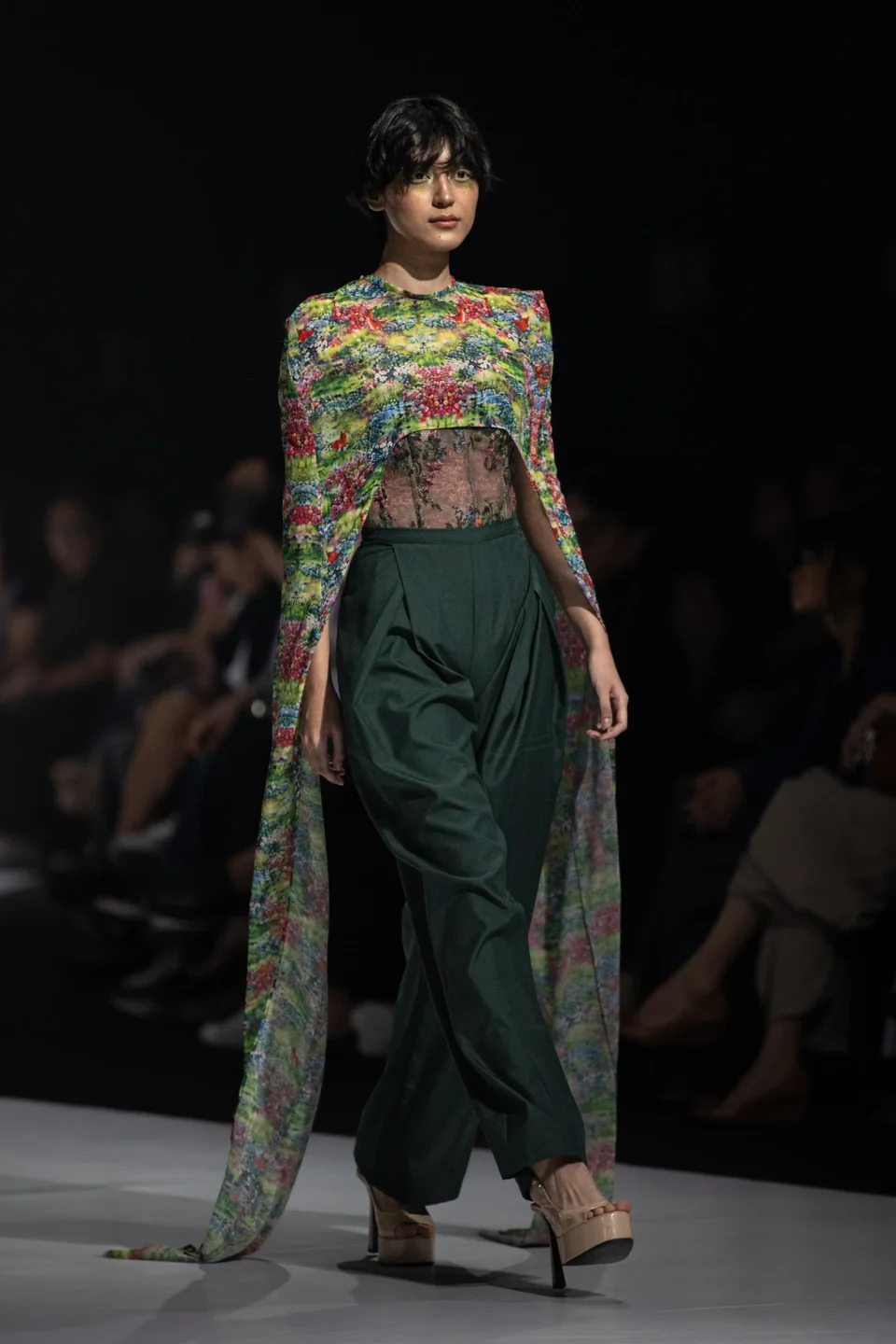
Jakarta Fashion Week's 18th edition debuted its ASEAN Fashion Parade this year, bringing designers from Malaysia, Singapore and the Philippines directly onto Indonesia's largest fashion stage alongside its own national talent. Around the same period, the ASEAN Fashion Designers Showcase at Indonesia's JF3 Fashion Festival - now in its third year of partnership - paired designers from Laos, Singapore and the Philippines under the theme "Re-Crafted: Shaping the Future," deliberately avoiding any attempt to manufacture a single unified regional aesthetic in favour of showcasing genuine national contrast side by side.
What both platforms share is a specific bet: that an international buyer encountering Southeast Asian design as a genuinely varied ecosystem, rather than a single homogenised "regional look," is more likely to find something they haven't already seen elsewhere. As one piece of coverage from the JF3 showcase put it, "Paris still matters, but so does having something distinctly Asian to bring to the world."
Neither initiative has replaced designers' ambitions to eventually show in the world's bigger fashion capitals. But a growing number of platforms built specifically for the region's designers to present to each other first suggests Southeast Asian fashion's next real growth engine may be internal collaboration, rather than external validation alone.
About the author
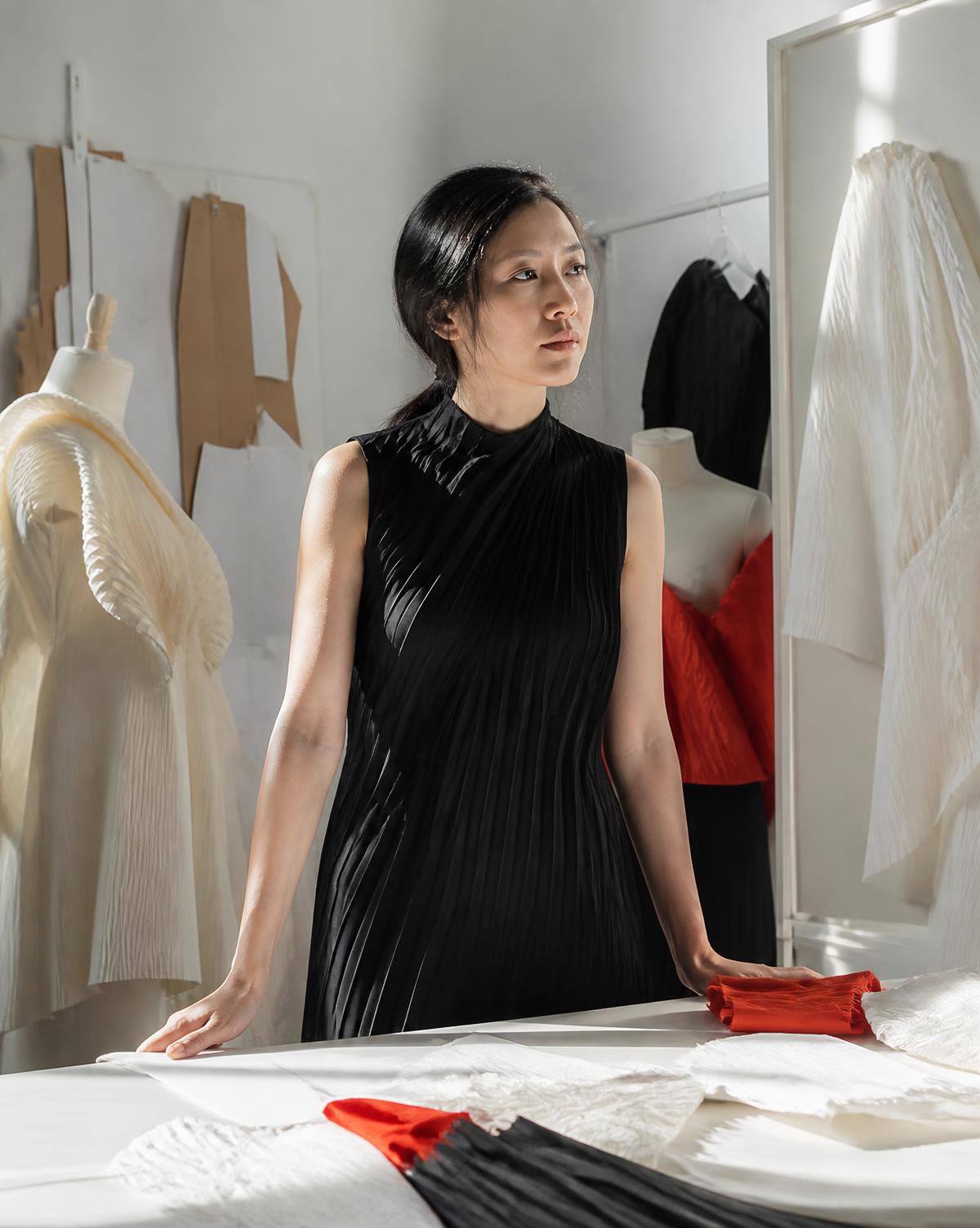
Jing Yi Tan
Fashion editor and writer covering design, image-making and the creative networks connecting Southeast Asia.