Fashion / News · Trends · Shopping · Style
Gucci SS27 turns the store into a portrait of its wearer
Demna builds a wardrobe of contrasting personalities inside an imagined Gucci flagship, balancing polished convention with deliberate disruption.
Gucci’s Spring/Summer 2027 presentation placed the collection inside an imagined version of the house’s retail future. The setting was a full-scale store concept, with display cases, clothing racks and architectural grandeur. Demna used this environment to introduce a range of characters rather than a single, fixed ideal of the Gucci customer. Presented in Milan on 25 September 2026, the show joined menswear and womenswear within the same larger proposition: the brand can offer a recognisable world while allowing its inhabitants to behave differently.
The store is an unusually revealing setting for a fashion show. It is where a house’s abstract image meets the practical act of choosing. A collection may appear coherent on a runway, yet a customer usually buys selectively, combining new pieces with possessions and habits that the designer cannot control. Gucci’s staging brings that moment of selection into the story. For StraitsG readers, it also makes the collection legible as a wardrobe to be edited rather than a costume to be adopted whole.
A setting about desire
Luxury retail establishes a mood before a garment is touched. Architecture, display and the spacing between objects can make an item appear precious, familiar or almost inaccessible. Gucci’s imagined flagship puts those signals on view. The presentation asks the audience to consider how clothes acquire meaning from the world surrounding them, as well as from their cut and materials.
Our reading is that the setting makes the relationship between identity and purchasing unusually explicit. A customer is choosing both an object and a way of presenting themselves. The same jacket can communicate confidence, conformity or a joke about conformity, depending on how it is worn. That ambiguity gives the collection its energy. A store contains many potential versions of the buyer, and the show gives those versions room to encounter each other.
The wardrobe has several voices
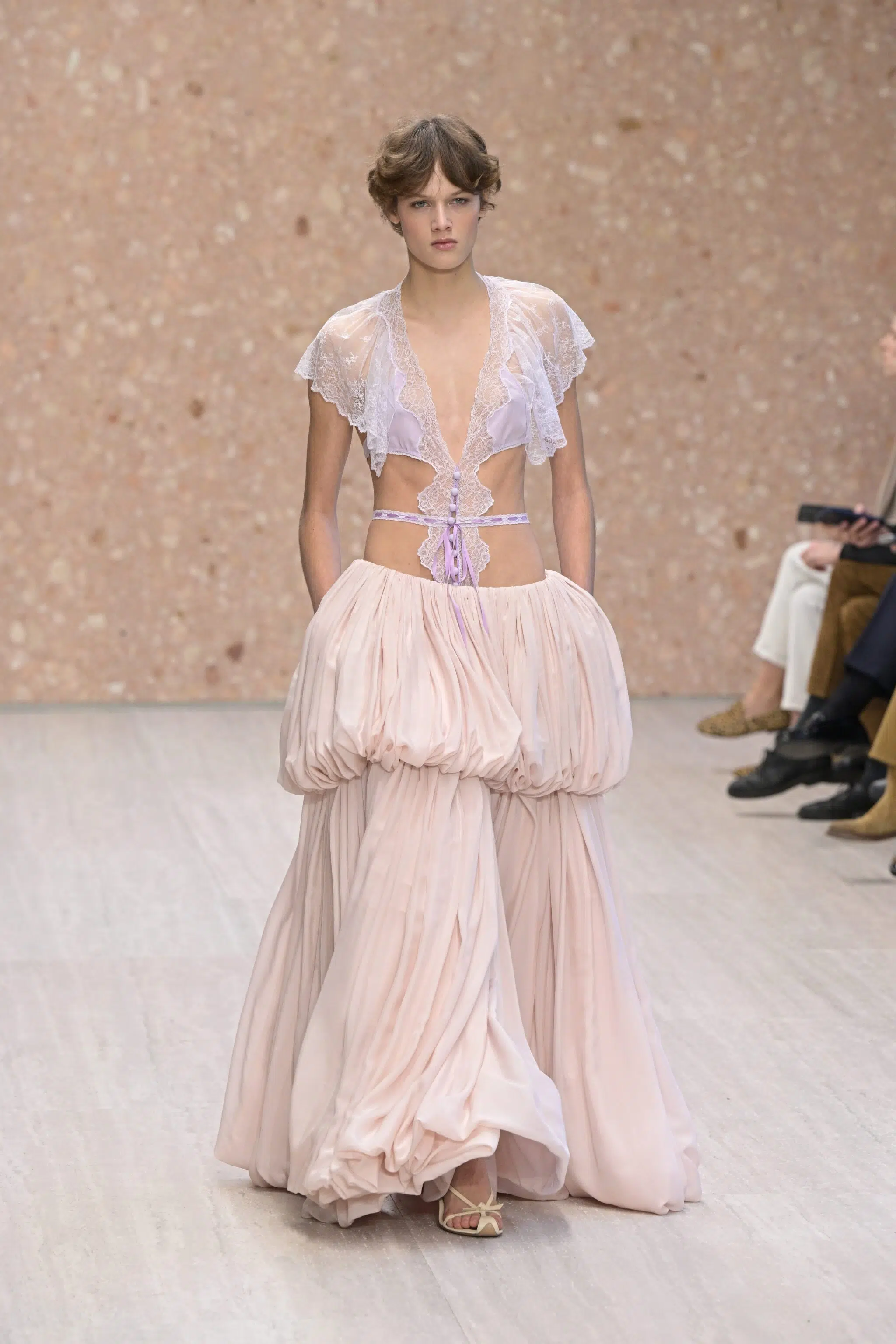
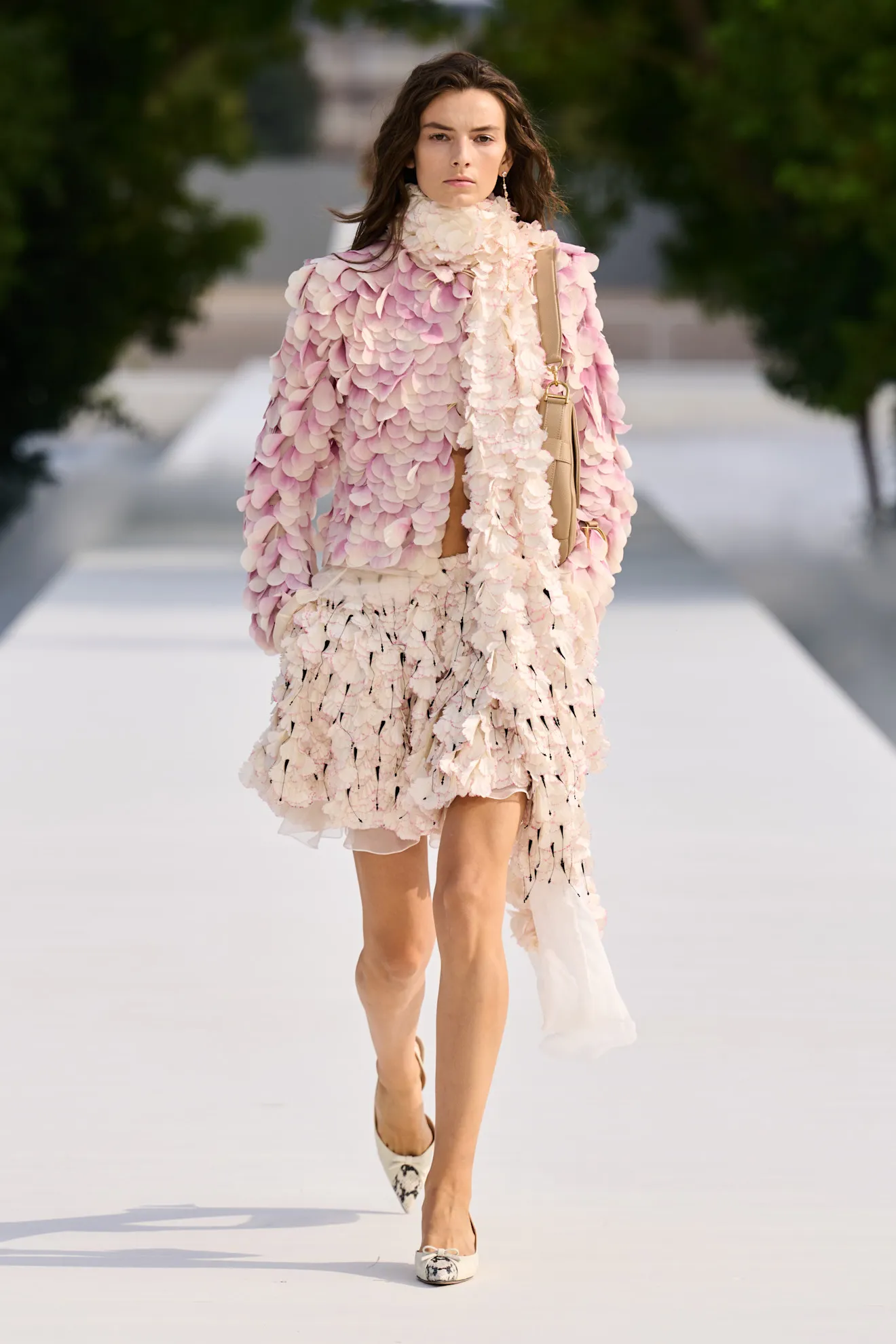
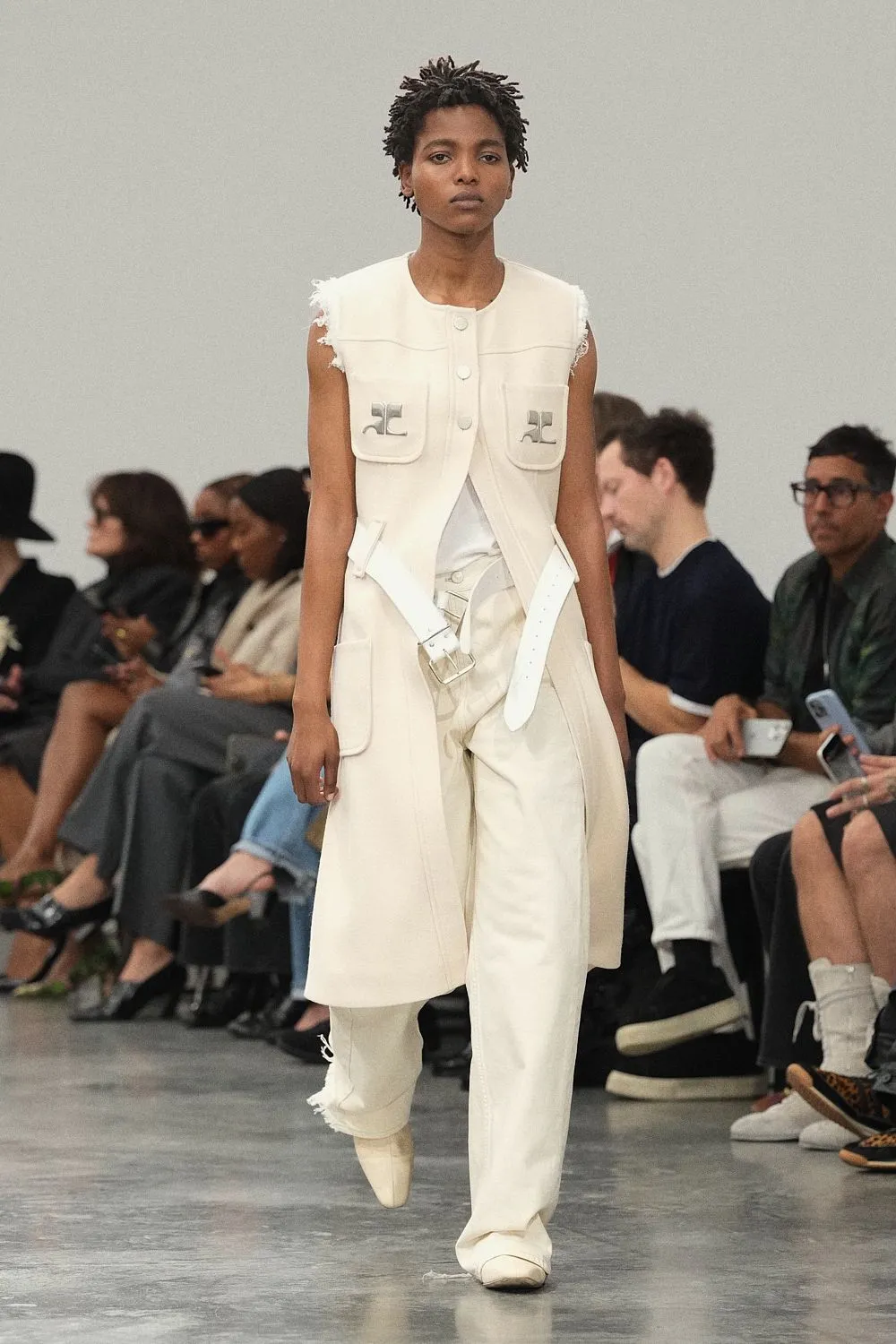
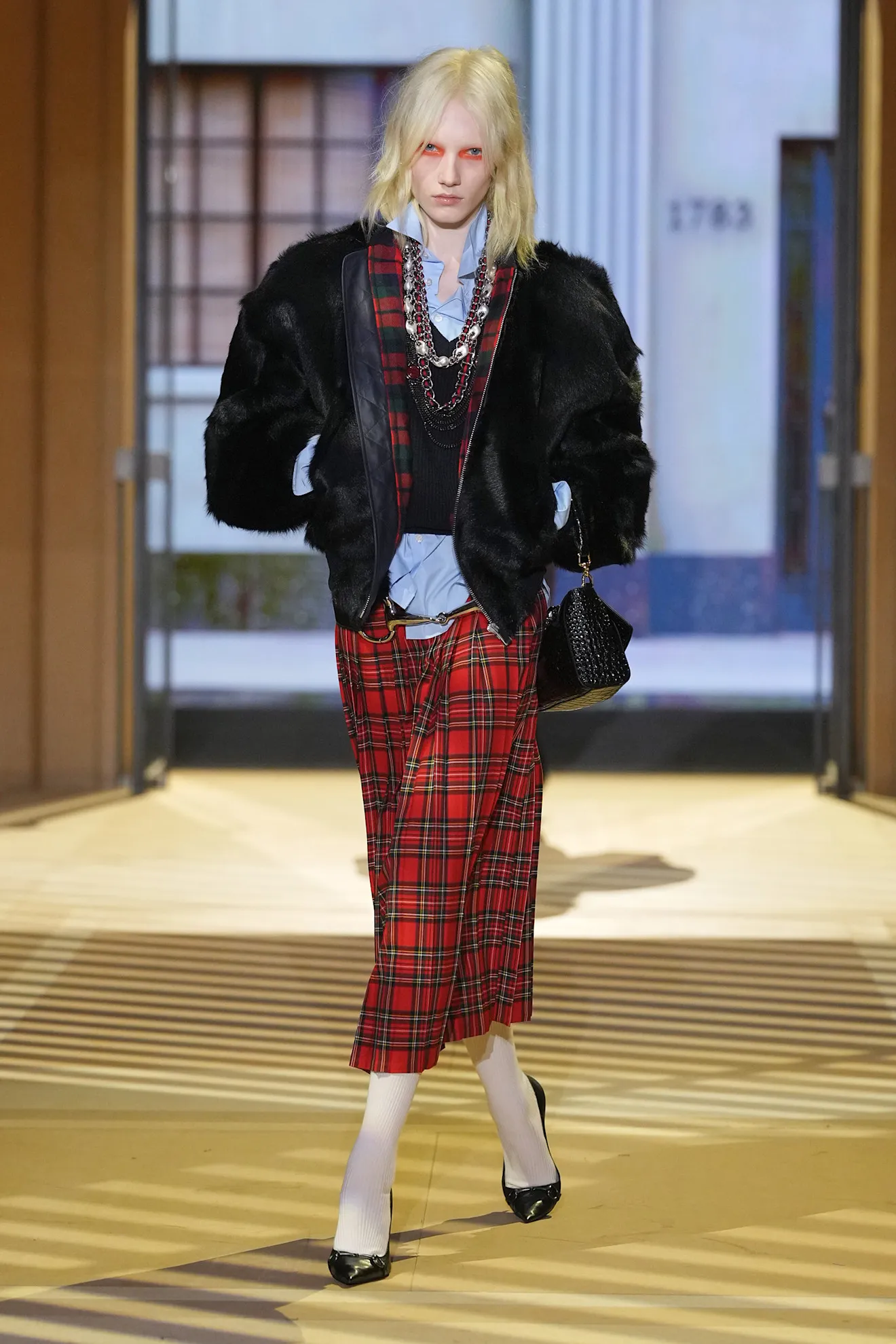
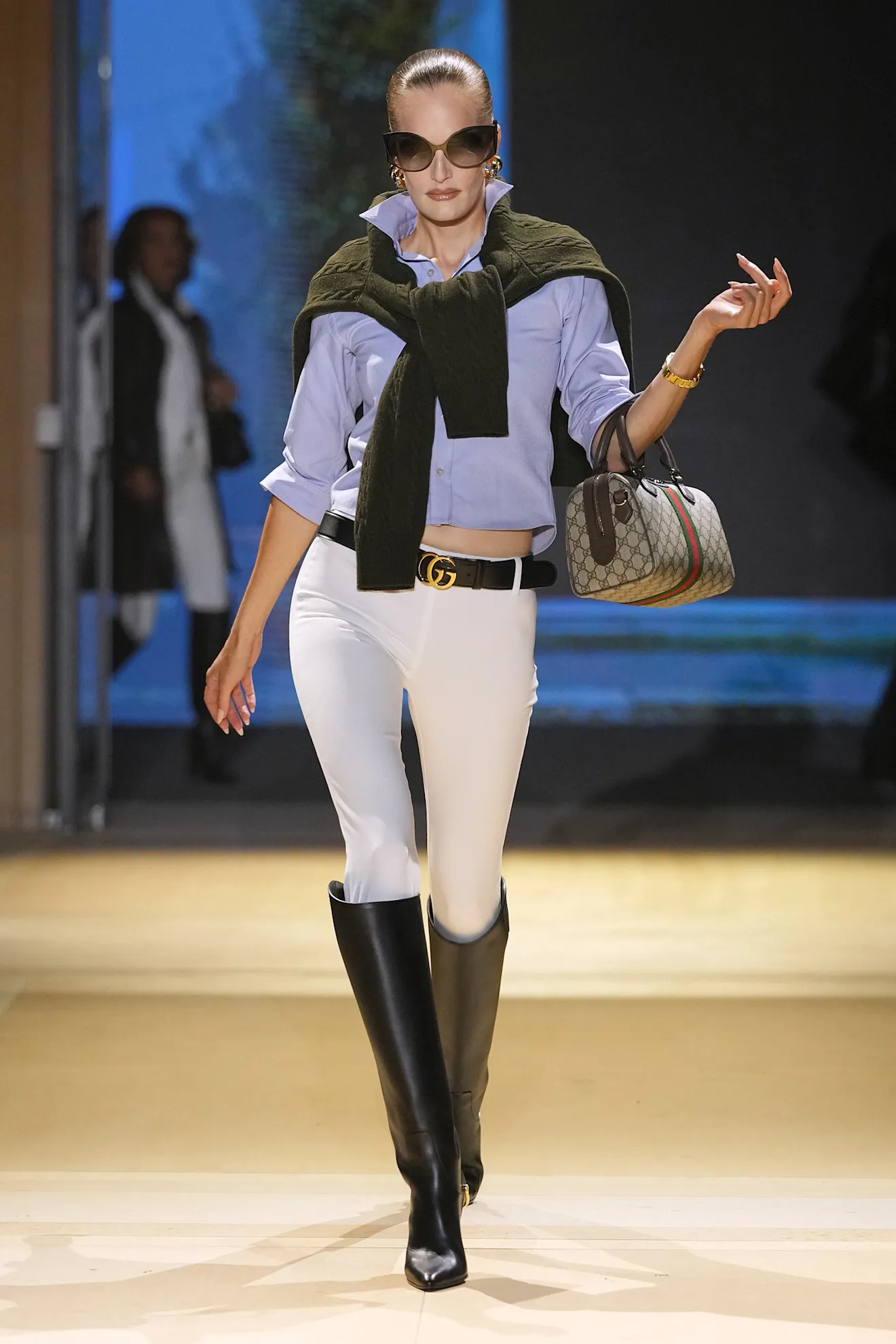
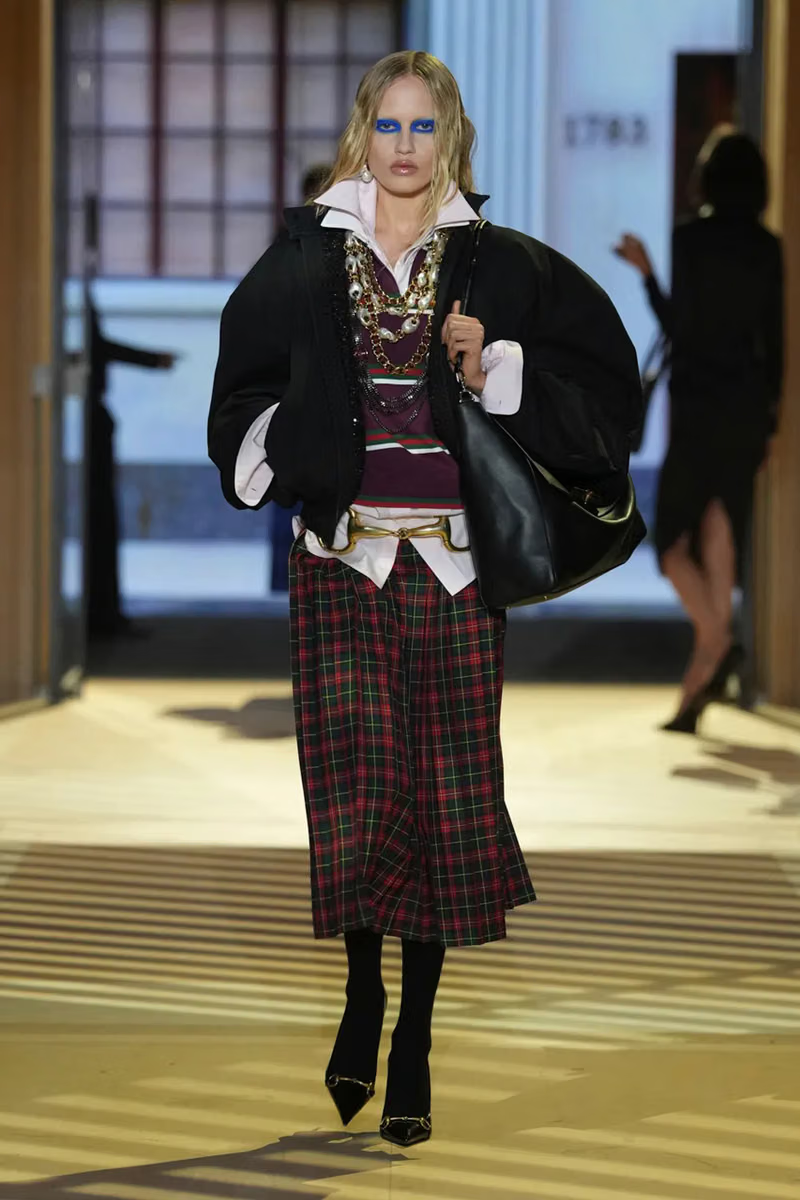
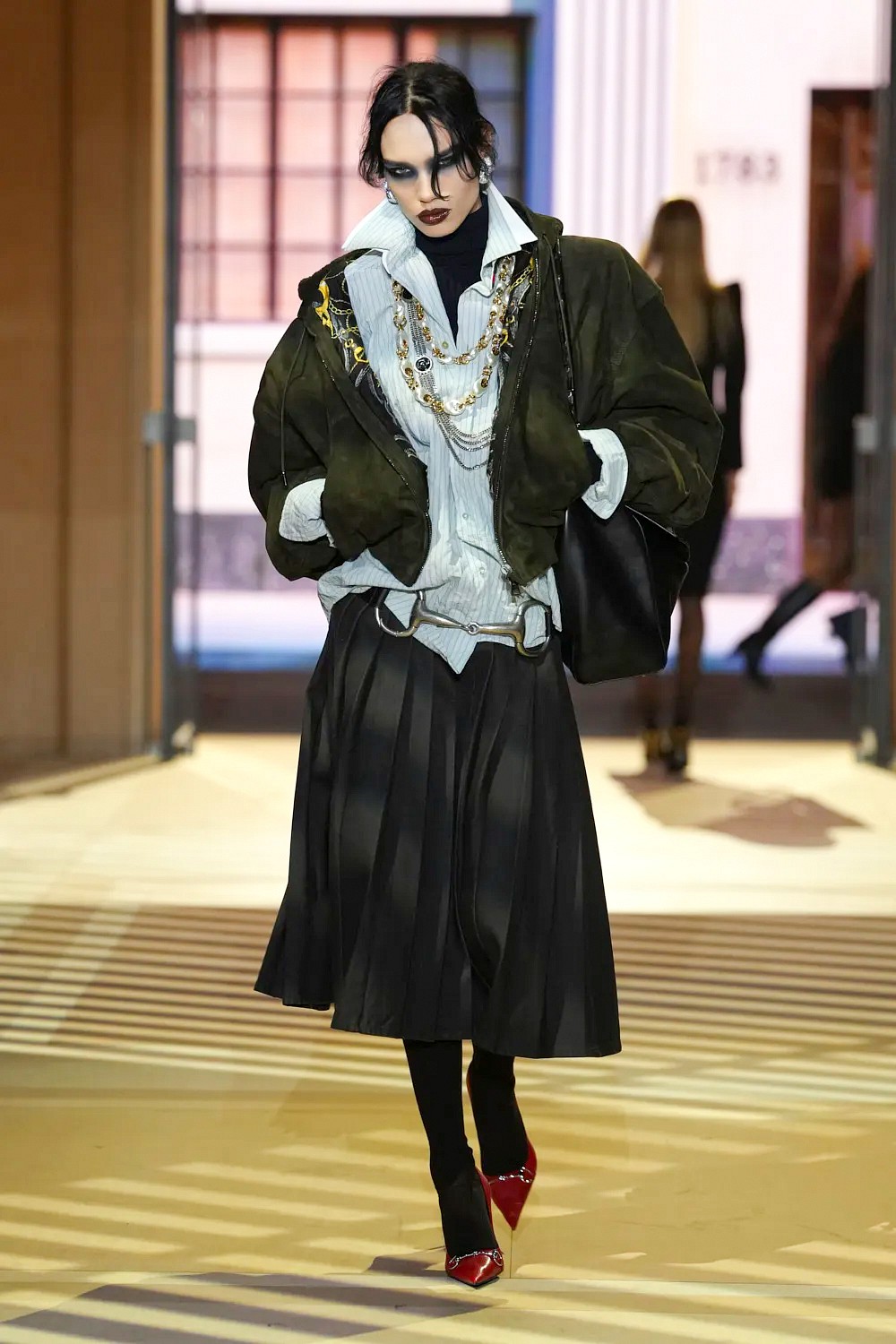
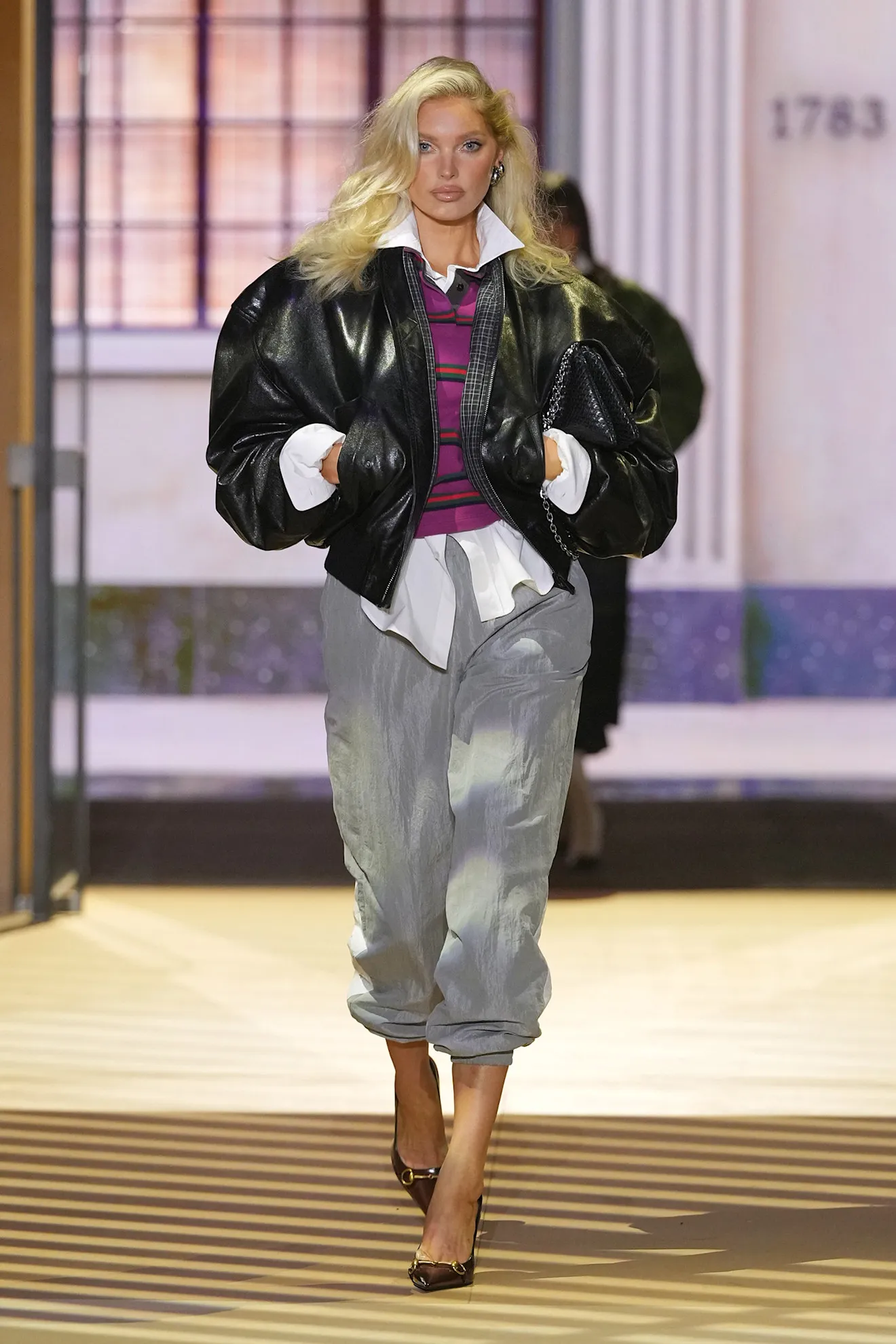
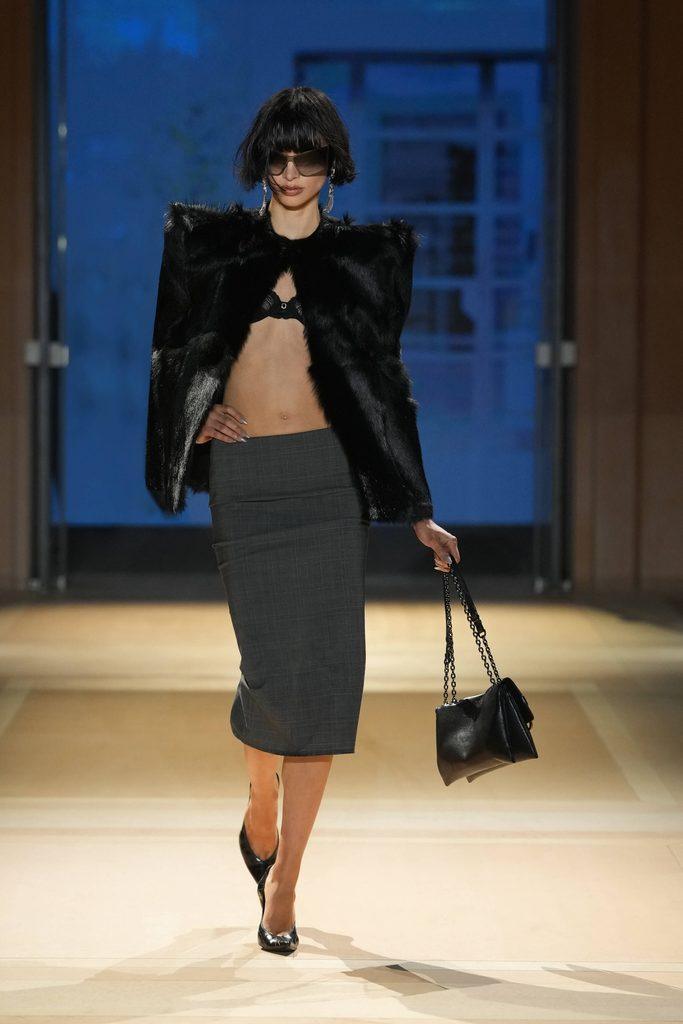
Reporting on the show describes equestrian references, country-club shirtdresses, sharply reduced tailoring and more unruly combinations of rugby shirts, tartan skirts and bomber jackets. Gucci’s familiar Horsebit appears across accessories. The details move through different levels of propriety while remaining connected to the house’s vocabulary. They do not require the collection to nominate one personality as the correct one.
That variety matters because a personal wardrobe rarely speaks in only one voice. Professional dress, travel clothes and evening choices may express different aspects of the same person. The interesting design task is to make those shifts feel intentional rather than disconnected. Gucci’s proposition is strongest when a polished code can be rearranged without becoming unrecognisable. A sporting element introduces informality; a precise jacket pulls it back towards ceremony. The wearer decides where the balance settles.
Tailoring changes the temperature
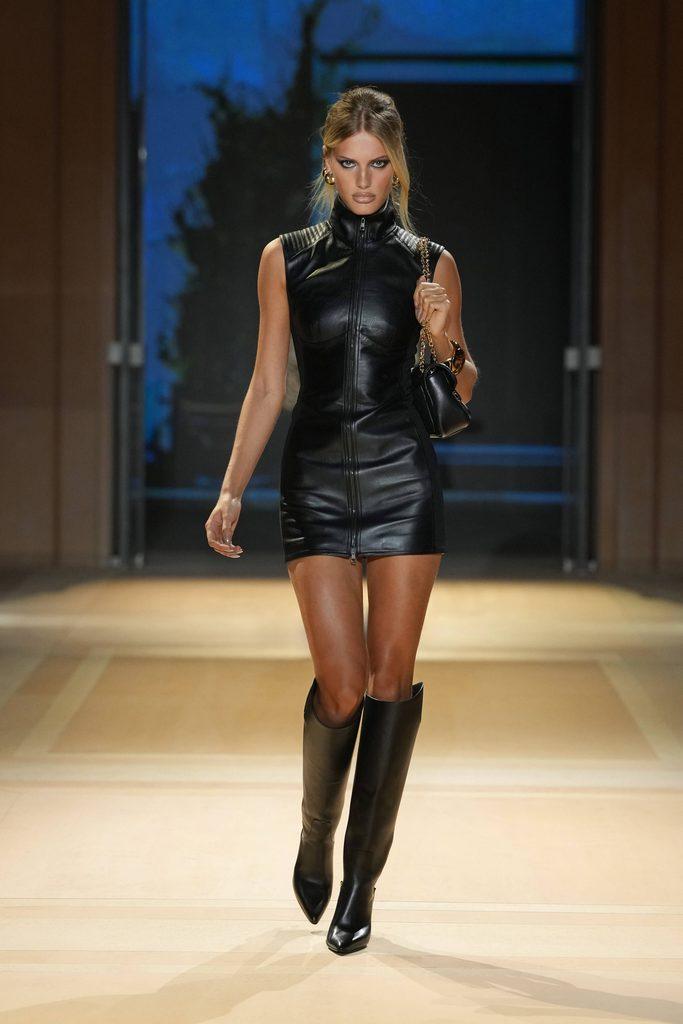
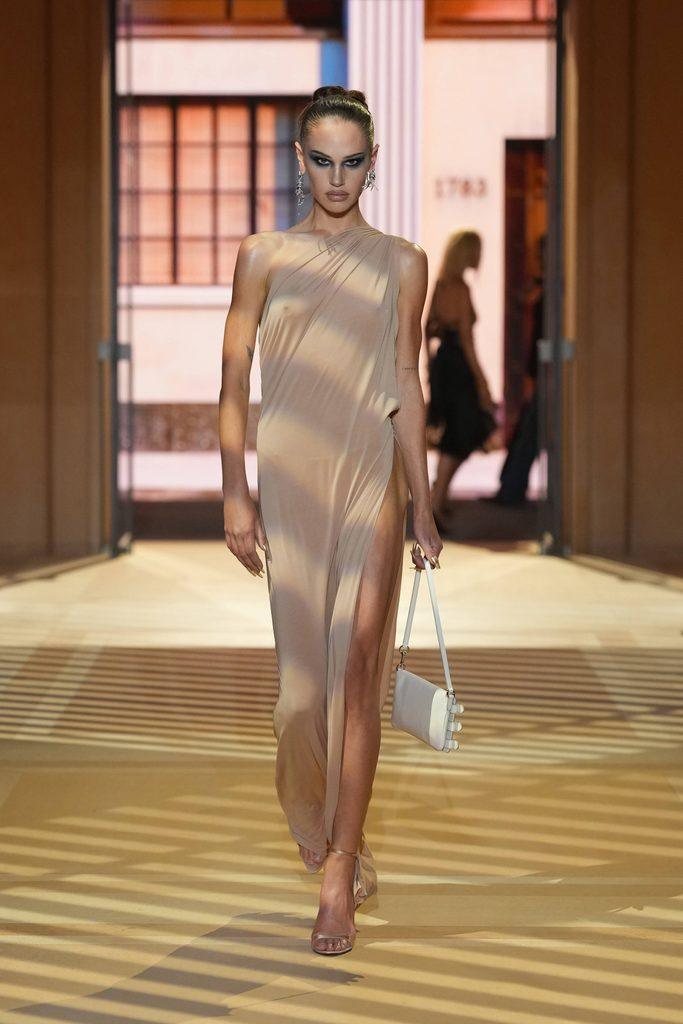
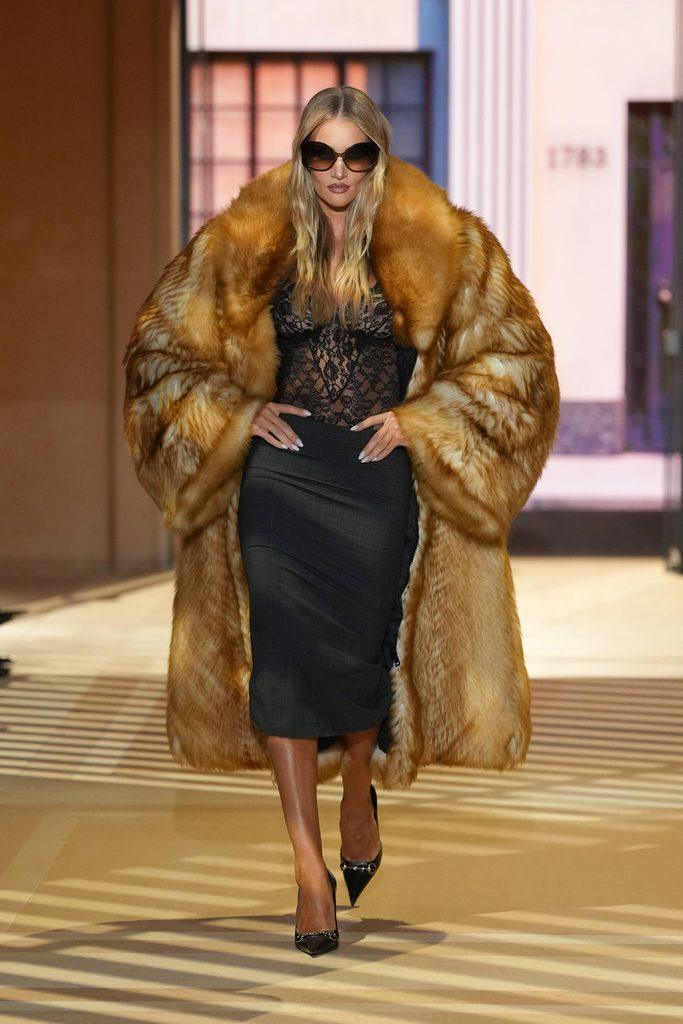
The tailoring reported in the womenswear sequence favours narrow lines, pronounced collars and sculpted shoulders. These details offer a different visual rhythm from the softer, more layered styling elsewhere. They also show how much authority a garment can gain through its outline. A jacket does not need a busy surface to command attention if the shoulder, waist and lapel establish a clear relationship.
For the reader, the distinction is between impact and volume. A close, exact silhouette can be as forceful as an oversized one. The important question is how its proportions interact with the body and the rest of the outfit. An assertive shoulder requires a considered balance below it. A narrow trouser changes the weight of a shoe. The runway supplies a set of relationships to examine, while the fitting room determines which ones feel natural on a particular wearer.
Accessories make the house recognisable
The Horsebit provides continuity across changing clothing moods. Coverage identifies it on bags, shoes and belts, alongside familiar bag families. Its usefulness as a design element lies in the difference between a repeated symbol and a rigid uniform. An accessory can connect an otherwise individual outfit to Gucci without requiring the wearer to reproduce a complete runway look. [2]
This is where the show’s retail setting becomes especially persuasive. An accessory is often the point at which a customer enters a house’s visual world. Its scale and placement matter. A large piece of hardware can organise an outfit; a smaller version may function as a quiet reference. Neither effect should be confused with versatility automatically. The most useful object is the one that works with the owner’s existing clothes, everyday carrying needs and preferred level of visual emphasis.
A Singapore edit
For city dressing, our interpretation would begin with one clear Gucci signal and let the rest of the outfit create context. A polished shirt with an unexpected skirt can express the tension between convention and individuality. A sporting top becomes more deliberate when paired with precise tailoring. One strong belt may be sufficient if the clothes already contain a dramatic contrast of shape or pattern.
The runway’s heavier layers can be translated through proportion rather than copied literally. A lighter jacket, for example, may preserve an assertive shoulder without reproducing every piece in the original look. This is a styling suggestion, not a statement about the properties of garments that have not been handled. Singapore’s climate makes fabric composition, lining and practical movement important checks. The collection’s usefulness lies in the combinations it prompts, while the final clothing choice must answer to daily conditions.
The imagined store also invites a distinction between a coherent brand and a coherent personal wardrobe. A brand can contain objects for many different people, while an individual needs only the subset that belongs together in their own life. Buying across every character would not necessarily make a wardrobe more expressive. It could make it less specific. The stronger response is to recognise the particular tension that feels useful: sporting ease beside polish, a narrow silhouette beside a more voluminous layer, or familiar hardware inside a less predictable combination. The wearer can then repeat that relationship in different ways. This gives the collection a role beyond seasonal consumption. It becomes a vocabulary from which to choose, with the most meaningful selection occurring where the house’s identity meets an already developed personal taste rather than replaces it.
Personality needs editing
The risk in a wardrobe of archetypes is that its wearer becomes too legible: the elegant one, the rebellious one, the glamorous one. The more interesting response is to mix those signals until the outfit describes an individual. A garment associated with a formal social world can be worn casually. A sporting piece can acquire elegance through a disciplined silhouette. Clothes gain specificity from these decisions.
Gucci SS27 offers substantial room for that kind of editing. Its store concept brings luxury back to a concrete encounter between an object and a person, while its contrasting characters acknowledge that no one dresses identically for every part of life. The show’s relevance to a Singapore magazine is therefore wider than a list of accessories or a single seasonal look. It presents a recognisable house with enough internal variety for the wearer to construct a version that belongs to them.
Gallery
9 images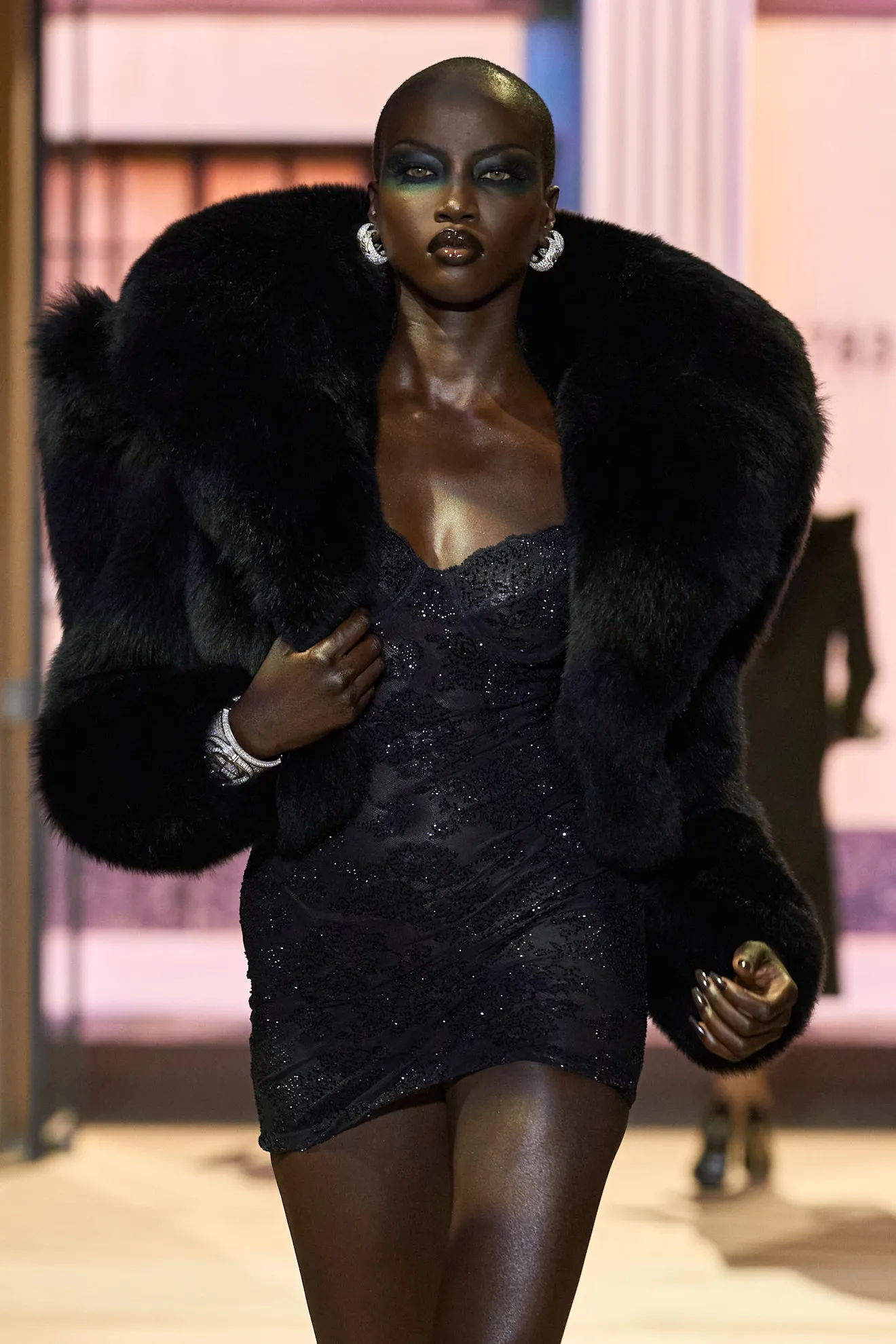
About the author
Anaelle LISE
Fashion editor and writer covering design, image-making and the creative networks connecting Southeast Asia.