Beauty / Skin · Make-up · Hair · Fragrances · Wellness
SUNSCREEN IS STARTING TO FIGHT MORE THAN JUST UV RAYS
Formulators are adding protection against high-energy visible light from screens to the SPF equation.
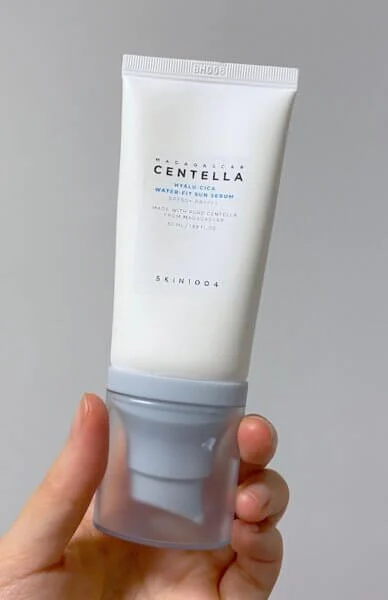
For decades, sunscreen formulation has been a two-front battle: blocking UVB rays that cause sunburn, and UVA rays responsible for deeper, longer-term skin damage.
A growing body of research is pushing formulators to address a third front - high-energy visible light, or HEV, also known as blue or violet light, which carries enough energy to penetrate skin, trigger free radicals and aggravate pigmentation and premature ageing, according to sun-care formulation research published this year.
HEV light is most commonly associated with screens - phones, laptops, television - and while studies linking blue light exposure to changes in eye health and sleep patterns are relatively well established, its specific effects on skin have only more recently drawn serious dermatological attention. The practical implication for sun-care brands is that an effective modern sunscreen increasingly needs to address a wider spectrum of light than SPF ratings alone communicate, since standard SPF testing measures UVB protection specifically and doesn't account for HEV exposure at all.
Photostability - whether a sunscreen's UV filters remain intact and effective throughout a period of sun exposure, rather than degrading - has emerged as an equally pressing formulation concern alongside the HEV conversation. Research cited in sun-care industry analysis this year found that some commercially available sunscreens lose a significant share of their UVA-absorbing capacity after as little as 30 to 90 minutes of exposure, with degradation products from unstable filters potentially causing their own skin irritation rather than simply becoming less effective.
For everyday buyers, none of this changes the basic advice dermatologists have given for years: apply broad-spectrum SPF 30 or higher and reapply regularly. But it does suggest that the next generation of sunscreen marketing will increasingly reach beyond the SPF number on the front of the bottle toward claims about blue-light defence and photostability - additions worth understanding rather than dismissing as pure marketing embellishment, given the genuine research now backing HEV's role in skin damage.

About the author
Olivia Wang
Fashion editor and writer covering design, image-making and the creative networks connecting Southeast Asia.