Beauty / Skin
SKINCARE IS GETTING INTO YOUR NERVOUS SYSTEM NOW
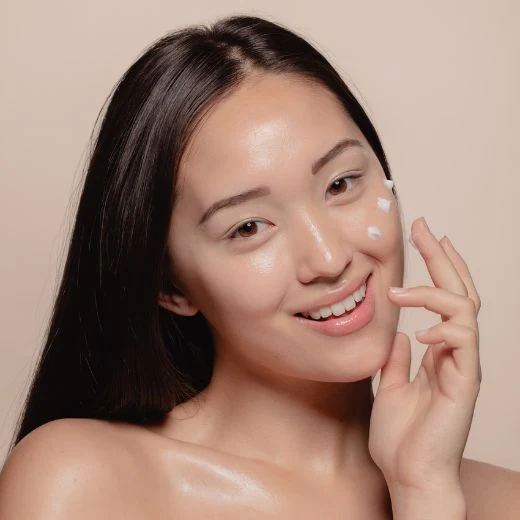
Neurocosmetics target the skin-brain axis, using ingredients like ectoin and madecassoside to calm stress-driven inflammation.

The link between psychological stress and visible skin problems has moved from anecdotal wisdom into a formal formulation category this year, with a genuine surge in what the industry calls neurocosmetics - serums and treatments built specifically around the skin-brain axis, the biological communication pathway connecting the nervous system to skin function.
Ingredients including ectoin, madecassoside and Tephrosia purpurea, also known as wild indigo, are increasingly being incorporated into serums specifically to lower cortisol-related inflammation at the skin level, rather than targeting a more conventional concern like wrinkles or pigmentation directly. The underlying premise draws on a growing body of research connecting chronic stress to measurable changes in skin barrier function, inflammation markers and visible ageing - treating stress reduction, at least at the topical level, as a legitimate skincare formulation goal in its own right rather than purely a lifestyle recommendation dermatologists mention in passing.
The formulation trend has also pushed texture innovation alongside the ingredient shift: rather than simple liquid serums, several neurocosmetic formulas are arriving as "milky" hybrids or serum-in-oil emulsions specifically designed to provide immediate sensorial relief - a physical, textural comfort intended to complement the ingredients' biological calming effect, on the theory that how a product feels on application can itself register as part of a stress-reduction ritual.
As with most skin-brain-axis science, the ingredient-level research is considerably more established than the specific consumer-facing efficacy claims built on top of it - ectoin and madecassoside both have a real research base in skin biology, but the leap from "reduces inflammation markers in a lab setting" to "visibly calms stressed skin at home" still relies heavily on individual brands' own testing.
About the author
Jing Yi Tan
Fashion editor and writer covering design, image-making and the creative networks connecting Southeast Asia.