Beauty / Make-up
A NEW STUDY FOUND HAZARDOUS CHEMICALS IN MOST WOMEN'S BEAUTY ROUTINES
53 percent of women surveyed are using lotions, shampoos and other products containing flagged ingredients.
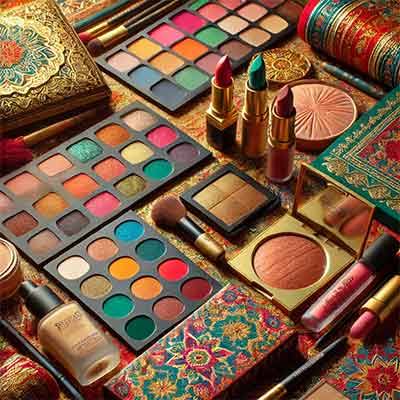
A study examining everyday beauty product use found that 53 percent of women surveyed regularly use lotions, shampoos and other personal care products containing chemicals flagged as hazardous a finding that adds fresh urgency to an ongoing broader conversation about ingredient transparency across the beauty industry.
The finding lands amid a period of genuinely increased scrutiny of personal care ingredient safety more broadly, running parallel to separate research this year on sunscreen safety standards and a wider "clean beauty" movement that has pushed brands to disclose ingredient sourcing and formulation choices more transparently than in previous years. Unlike sunscreen, which faces specific FDA safety and efficacy testing requirements, much of the broader personal care category - lotions, shampoos, general cosmetics - faces considerably lighter pre-market regulatory scrutiny in the US specifically, meaning ingredient safety data for many products relies heavily on manufacturer self-reporting and industry-funded research rather than independent regulatory testing.
The specific hazard categories typically flagged in this kind of research include endocrine-disrupting chemicals, certain preservatives linked to skin sensitisation, and ingredients under study for potential long-term health effects at the concentrations commonly used in personal care formulations - though the health significance of any single ingredient at typical use levels remains a genuinely contested area of ongoing research rather than settled scientific consensus.
For consumers navigating an increasingly crowded "clean" and "non-toxic" beauty marketing landscape, a finding this broad - affecting a majority of surveyed women's routines - underscores why ingredient-list literacy, rather than trusting marketing claims like "clean" or "natural" at face value, remains one of the more genuinely useful skills for navigating the category's current regulatory gaps.

About the author
Jung Yi Tabn
Fashion editor and writer covering design, image-making and the creative networks connecting Southeast Asia.